Welding vs. Soldering: What’s the Difference?
Welding and soldering are both ways to join metal, but they use different methods and temperatures. Welding uses extremely high heat to melt the base metals and a filler material, creating a very strong bond. Soldering uses lower heat to melt only a filler metal (solder), joining components without melting the parent metals.
When you’re choosing between welding and soldering, think about what you’re joining and how strong it needs to be. For electronics, soldering is usually best because it’s less likely to damage delicate parts. For heavy-duty metalwork, welding offers superior strength. We found that understanding their core differences helps make the right choice for your project. Think of it as choosing the right tool for the job – you wouldn’t use a sledgehammer to hang a picture, right?
- Welding melts base metals for strong joints.
- Soldering melts filler metal, not base metals.
- Welding uses much higher temperatures than soldering.
- Soldering is ideal for electronics and delicate work.
- Welding is best for structural and heavy-duty metal joining.
Let’s break down each process so you can see exactly how they differ and when you’d use one over the other.
Understanding the Core Differences: Welding vs. Soldering
When you’re looking to join metal pieces, welding and soldering are two common methods. While they both involve heat and metal, they work in fundamentally different ways. Understanding these distinctions is key to picking the right technique for your specific project. We found that the biggest difference lies in what actually melts during the process.
What Happens During Welding?
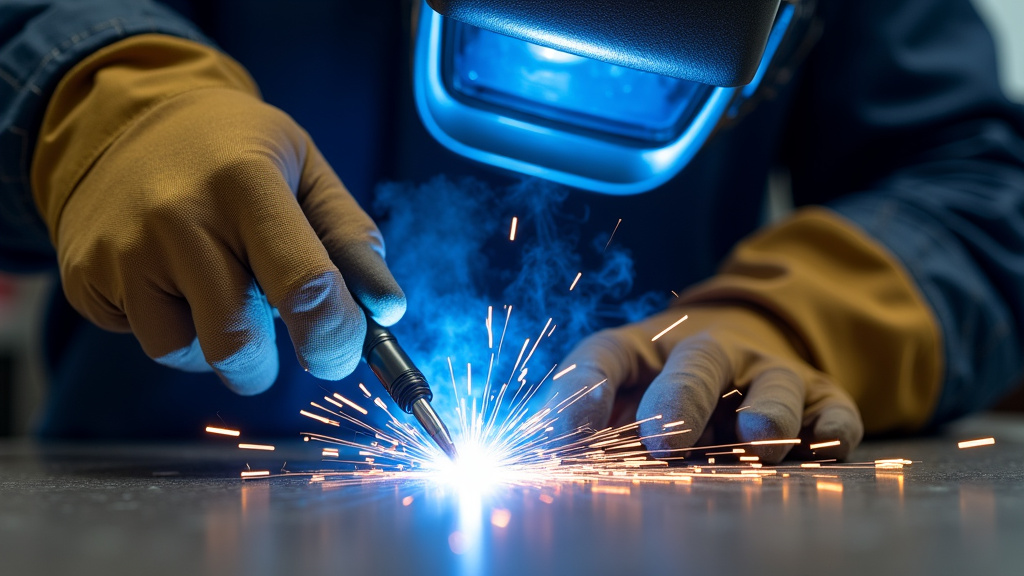
Welding is like a high-temperature marriage for metals. It uses extreme heat, often from an electric arc or a flame, to melt the edges of the two metal pieces you want to join. A filler material, which is usually a metal rod or wire, is often added to help create a strong, unified bond. The result is a single, solid piece of metal where the original pieces once were. This process creates a very strong joint because the base metals themselves are melted and fused together.
What Happens During Soldering?
Soldering takes a gentler approach. Instead of melting the base metals, soldering uses heat to melt a separate metal alloy called solder. Solder has a much lower melting point than most common metals like steel or copper. You heat the pieces you want to join, then touch the solder to them. The heat melts the solder, which then flows into the gap between the pieces and solidifies, holding them together. The key here is that the parent metals remain solid. Think of it like using a very strong glue that you melt and re-harden.
Temperature: A Major Distinguishing Factor
The amount of heat each process requires is a significant difference. This temperature difference dictates what materials you can use and the types of projects each method is suited for. We’ve seen many DIYers overlook this, leading to less-than-ideal results.
Welding Temperatures Are Extremely High
Welding operations typically operate at temperatures ranging from 1,000°F (538°C) all the way up to 6,000°F (3,316°C). These intense temperatures are necessary to actually melt the base metals being joined. This high heat is why welding is often done on thicker, more robust materials. The sheer energy involved means you need proper safety gear, including heavy gloves and eye protection, because sparks and molten metal are a real concern. Many experts say it’s crucial to have a well-ventilated area, too.
Soldering Temperatures Are Much Lower
Soldering, on the other hand, usually occurs at temperatures between 361°F (183°C) and 800°F (427°C). This is significantly lower than welding temperatures. Because you’re only melting the solder, not the base metals, you can work with much more delicate components. This lower heat makes soldering safer and more accessible for many hobbyists and electronics enthusiasts. You’ll still need eye protection, but the risk of severe burns is lower compared to welding.
Strength and Application: Where Each Method Shines
The strength of the bond created by welding and soldering is a primary differentiator. This directly impacts the types of projects where each method is the best choice. For structural integrity, one is clearly superior.
Welding: The Choice for Structural Strength
Welded joints are renowned for their incredible strength. Because the base metals are melted and fused, the resulting joint can be as strong as, or even stronger than, the original metal itself. This makes welding the go-to method for projects where structural integrity and load-bearing capacity are critical. Think about building a car frame, bridges, or heavy machinery – these all rely on welding for their strength and durability.
Soldering: Ideal for Delicate Connections
Soldered joints are not nearly as strong as welded joints. They are designed to hold electrical components in place or create electrical connections, not to bear significant weight or stress. While a soldered joint can be strong enough for its intended purpose, it will generally break under much less force than a welded joint. We found that this makes soldering perfect for electronics, circuit boards, and joining thin wires where the strength of the connection is about conductivity, not physical load.
Materials Commonly Joined
The types of metals you can join with each method also differ. The heat involved and the bonding process itself lend themselves to different material types. Knowing this can save you a lot of frustration.
Welding: Works with a Wide Range of Metals
Welding can be used on a broad spectrum of metals, including steel, stainless steel, aluminum, copper, and titanium. The specific welding process used often depends on the type of metal. For example, welding aluminum requires different equipment and techniques than welding steel due to its lower melting point and tendency to oxidize. Many common metals are candidates for welding if strength is the goal.
Soldering: Best for Electronics and Small Parts
Soldering is most commonly used on metals with lower melting points, particularly copper and tin. It’s the standard for joining electronic components to printed circuit boards (PCBs). You’ll also see it used for plumbing (though this is often called “brazing” if higher temperatures are involved) and for joining thin wires. The key is that the metals being joined can withstand the soldering temperature without degrading.
Ease of Use and Equipment
When you’re deciding which method to use, consider the learning curve and the equipment needed. Some methods are more beginner-friendly than others.
Welding Equipment Can Be Complex and Costly
Welding often requires specialized and sometimes expensive equipment, such as welding machines (like MIG, TIG, or Stick welders), gas cylinders, regulators, and welding helmets with auto-darkening features. The learning curve can also be steeper, requiring practice to achieve clean, strong welds. Many beginners find it takes time to master the control needed for good results.
Soldering is Generally More Accessible
Soldering typically requires much simpler and less expensive equipment. A basic soldering iron, some solder wire, flux, and a helping hand tool are often all you need to get started. Soldering irons heat up quickly and are relatively easy to handle. While achieving perfect, aesthetically pleasing solder joints takes practice, the initial barrier to entry is much lower for most people. We found it’s a great starting point for learning about working with metal and heat.
A Quick Comparison Table
Here’s a handy table summarizing the key differences. It can help you quickly assess which method might be right for your next project.
| Feature | Welding | Soldering |
|---|---|---|
| Base Metal Melting | Yes, melts base metals. | No, melts only filler metal (solder). |
| Temperature Range | 1,000°F – 6,000°F (538°C – 3,316°C) | 361°F – 800°F (183°C – 427°C) |
| Joint Strength | Very High (structural integrity) | Low to Moderate (primarily for electrical connections) |
| Common Materials | Steel, aluminum, copper, stainless steel | Copper, tin, electronic components, thin wires |
| Equipment Cost | Moderate to High | Low to Moderate |
| Learning Curve | Moderate to High | Low to Moderate |
Choosing the Right Method for Your Project
Deciding between welding and soldering comes down to what you’re trying to achieve. Are you building something that needs to hold weight, or are you connecting delicate wires?
When to Choose Welding:
- For building strong, structural components.
- When joining thick pieces of metal.
- For repairs that need to be as strong as the original material.
- Working with metals like steel or thick aluminum.
When to Choose Soldering:
- For electronics, circuit boards, and wire connections.
- When working with delicate or heat-sensitive components.
- For projects where electrical conductivity is the primary goal.
- Joining thin wires or small metal parts that don’t require high strength.
Quick Checklist Before You Start
To make sure you pick the right process, ask yourself these questions:
- Does my project require structural strength? (If yes, consider welding.)
- Am I working with delicate electronics? (If yes, soldering is likely your best bet.)
- What type of metals am I joining?
- How much heat can these metals withstand?
- What is my budget for tools and materials?
- What is my comfort level with high-heat processes?
Conclusion
You’ve learned that welding and soldering are distinct metal joining techniques. Welding uses intense heat to melt base metals for strong, structural bonds, ideal for heavy-duty projects. Soldering uses lower heat to melt only a filler metal, creating reliable electrical connections for delicate electronics. Choosing between them depends entirely on your project’s needs: strength versus precision. By understanding these core differences and considering your materials, you can confidently select the right method for your next build or repair, ensuring lasting results.
Frequently Asked Questions
Can I use solder for plumbing repairs?
For most household plumbing, soldering is the correct method, often referred to as sweat soldering. It creates a watertight seal by melting solder around copper pipes. However, for high-pressure or gas lines, you’ll need specialized techniques that go beyond basic soldering.
Is welding always stronger than soldering?
Yes, welded joints are almost always significantly stronger than soldered joints. Welding fuses the base metals together, creating a monolithic bond. Soldering relies on the solder filling gaps and solidifying, which is less robust for structural loads.
What safety gear is needed for each process?
Welding requires extensive safety gear, including a welding helmet with an auto-darkening lens, heavy-duty gloves, a leather apron, and protective clothing due to high heat and sparks. Soldering requires safety glasses to protect from flying solder or flux, and heat-resistant gloves if working with hot irons for extended periods.
Can I weld or solder aluminum?
You can weld aluminum, but it requires specific processes like TIG or MIG welding due to its low melting point and tendency to oxidize. Soldering aluminum is generally not practical or reliable for most applications.
Is it possible to solder and then weld over the joint?
While technically possible in some situations, it’s generally not recommended. The heat from welding can easily melt and compromise a soldered joint. For structural integrity, it’s best to use one method consistently for the entire joint.