How to TIG Weld Stainless Steel
TIG weld stainless steel with clean, dedicated tools, steady argon shielding, compatible filler metal, and controlled heat. Prepare the joint, protect the back of the weld when needed, and let the metal cool between passes.
On this page (8 sections)
- How do you prepare stainless steel for TIG welding?
- Which filler metal should you use for stainless TIG?
- How should you set up shielding gas and tungsten?
- How do you control heat on stainless steel?
- How do you keep the weld clean and corrosion resistant?
- What should you do after welding?
- Which tools and supplies fit this job?
- Is TIG the right method for your stainless project?
TIG welding stainless steel works best with clean metal, the right filler, steady shielding gas, and controlled heat. Prepare the joint with tools reserved for stainless, protect the back side where needed, and avoid lingering with the torch.
TIG gives you control over the arc and filler, which can help on thin material and visible joints. Stainless still needs care: contamination and excess heat can undermine the finish and corrosion resistance.
How do you prepare stainless steel for TIG welding?
Remove oil, dirt, paint, and oxide from the joint before striking an arc. Use a clean stainless-only brush or abrasive, then wipe the metal with a suitable solvent and let it dry.
Keep stainless separate from carbon steel during cutting, grinding, and storage. A brush or grinding disc that touched mild steel can transfer iron particles and leave rust-prone contamination on the stainless surface.
Fit the parts closely and clamp them so the joint stays aligned. Tack at intervals to limit movement, especially on thin sheet or long seams.
For a broader overview of processes and preparation, start with how to weld stainless steel. If the joint is thin sheet, our guide to how to weld sheet metal covers fit-up and burn-through control.
Which filler metal should you use for stainless TIG?
Match the filler alloy to the stainless grade and the job's service conditions. A filler that works for one stainless grade or environment may not be the right choice for another.
Identify the base metal before welding. If its grade is unknown, check markings, material records, or ask a welding supplier to help identify a suitable filler rather than guessing by appearance.
Use filler to bridge a small gap or add metal to the joint. For a tight fit, autogenous welding may be possible, but it still depends on the material and procedure.
Avoid touching the filler rod to the tungsten or letting it sit outside the gas shield while hot. Contaminated filler can introduce defects and spoil the weld surface.
What if the joint connects stainless steel to mild steel?
Use a filler and procedure intended for the dissimilar metals and the end use. The choice depends on the grades, thickness, and conditions the joint will face.
Clean each material with separate tools and keep carbon steel dust away from the stainless. Our guide to how to weld stainless to mild steel explains the added choices involved.
How should you set up shielding gas and tungsten?
Use a stable argon shield over the weld pool and keep drafts away from the torch. Set gas flow to suit your torch, cup, and joint rather than turning it up without limit.
Too little coverage can expose hot metal to air, while excessive flow can create turbulence and pull air into the shielding zone. Check hoses and fittings for leaks, position the cup close enough for coverage, and keep the torch angle steady.
For tubing or a joint where the inside surface matters, protect the back side with an appropriate purge setup. Plan the purge before welding and maintain it until the hot root has cooled enough to avoid oxidation.
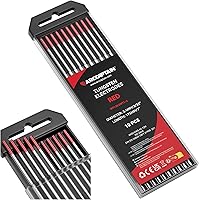
Choose a clean tungsten suitable for your machine and procedure. Grind it with a dedicated wheel, keep its point consistent, and regrind it if it touches the weld pool or filler.
How do you control heat on stainless steel?
Keep the arc moving and use the lowest heat input that makes a sound weld. Stainless can distort and discolor when heat builds up, particularly on thin sections.
Use short weld segments when the joint permits, distribute heat across the part, and allow it to cool between passes. A close joint fit and well-spaced tacks reduce the need to fill gaps with extra heat.
If the pool becomes too wide or the edges begin to sag, stop and reassess the current, travel speed, and fit-up. Don't try to correct a poor joint by holding the arc in one spot.
Use a suitable technique for the joint and position, following a procedure when the part is safety-critical. If you are learning, practice on matching scrap with the same thickness and joint style before welding the workpiece.
How do you keep the weld clean and corrosion resistant?
Prevent contamination before welding and remove heat tint using a method suited to the stainless grade and finish. Keep gloves, filler, clamps, and tools clean so oil and iron particles stay away from the joint.
A silver or light straw color can be easier to manage than heavy blue or dark oxidation, but color alone doesn't prove weld quality or corrosion performance. The right acceptance criteria depend on the application.
Don't use a carbon steel wire brush on the weld. For cleanup, choose stainless-compatible tools and follow the material supplier's guidance for any chemical treatment.
If the work is for food, chemical, marine, or pressure service, follow the applicable welding and finishing requirements. A visually neat bead by itself doesn't mean the joint is suitable.
What should you do after welding?
Let the part cool in a controlled way, then inspect the full weld and surrounding area. Look for cracks, visible gaps, undercut, contamination, and excessive distortion.
Clean the area with stainless-only tools and remove residue using a method appropriate for the finish. For a joint that carries a load or contains pressure, use the required inspection and testing process rather than relying on appearance.
A chipping hammer is intended for cleaning weld debris and chip removal, but TIG stainless welds generally don't have flux slag to chip away. The VASTOOLS hammer includes a chisel and point plus a wire brush, which may suit cleanup tasks elsewhere in a welding shop.
Use eye protection during chipping and brushing, and don't strike the hammer against another tool or hard object. Skip it if your stainless TIG work needs only a dedicated stainless brush and finishing tools.
Which tools and supplies fit this job?
Use stainless-compatible cleaning tools, suitable filler, a TIG torch setup, and the shielding gas your procedure calls for. Keep supplies organized so you don't accidentally use a mild-steel consumable on stainless.
A flux-cored MIG wire isn't a TIG filler rod and is made for mild steel. Forney 42300 is self-shielded flux-core wire for mild-steel MIG work, so it doesn't fit a stainless TIG joint.
If you also run flux-core MIG on mild steel, store its wire and tools away from stainless prep supplies. For another process option, see laser welding stainless steel and welding stainless with flux core.
Is TIG the right method for your stainless project?
Choose TIG when you need control over a clean, precise weld and can manage the setup. It takes coordination between torch movement, filler, and heat, so a different process may suit a faster or less visible job.
For a quick process comparison, read What Does TIG Stand for in Welding? Explained and What Is the Difference Between MIG and TIG Welding?.
If a drawing calls for a slot or plug weld, use the specified symbol and joint details in our slot plug weld symbol guide. Compare plug welds and slot welds to understand the two joint options.
TIG welding stainless steel comes down to clean preparation, compatible filler, stable shielding, and restrained heat. Pick TIG for precise work when you can control those factors, and choose a different process when the joint or production needs call for it.
Frequently asked questions
What gas do you use for TIG welding stainless steel?
Pure argon is a common shielding gas for stainless TIG welding. Use the gas type and flow recommended for your torch, cup, joint, and setup, and keep drafts away from the weld area.
For tubing or joints where the back side needs protection, arrange a suitable purge before welding.
Do you need filler rod to TIG weld stainless steel?
Not always. A tight, clean joint may be welded autogenously, but filler helps bridge a gap and add metal to the joint.
Choose a filler alloy that suits the stainless grade and service conditions, and confirm the selection with a welding procedure or qualified supplier when the application matters.
How do you prevent warping when TIG welding stainless?
Use a well-fitted joint, tack it in several places, and add only the heat needed to form a sound weld. Work in short, balanced sections when the joint allows, then let the metal cool between passes.
Thin stainless needs especially careful heat input because it can distort or discolor quickly.
Can you TIG weld stainless steel to mild steel?
Yes, but the filler choice and joint procedure must account for both metals and the intended service. Clean each side with dedicated tools, avoid contaminating stainless with carbon steel, and follow a qualified procedure for critical parts.
See our guide to welding stainless steel to mild steel for more detail.