Welding vs. Brazing: What’s the Difference?
Welding and brazing are both ways to join metals, but they work differently. The main difference is the melting point of the metals being joined. Welding melts the base metals together, while brazing uses a separate filler metal that melts at a lower temperature than the base metals. Think of it like this: welding is like merging two pieces of clay, while brazing is like gluing them together with a super-strong, meltable glue. We found that understanding this key distinction helps you pick the right method for your project.
You might be wondering why you’d choose one over the other. It often comes down to the strength needed and the types of metals you’re working with. Welding typically creates a stronger bond because it fuses the original metals. Brazing is great for joining dissimilar metals or when heat could damage one of the parts. Many find brazing to be more forgiving and easier to learn.
- Welding melts base metals together.
- Brazing uses a lower-melting filler metal.
- Welding creates a stronger joint.
- Brazing joins different metals easily.
- Choose based on strength and material.
Let’s break down what each process involves and when you’d want to use them.
Understanding the Differences: Welding vs. Brazing for Your Projects
You’ve seen metal pieces joined together, and you might wonder how it’s done. Two common ways are welding and brazing. While both methods create a permanent bond, they do it in very different ways. Understanding these differences will help you pick the right technique for your DIY project or professional work. It’s not about one being “better” overall, but about which one fits your specific needs.
How Welding Works: Melting and Fusing
Welding is like merging two pieces of the same material. You apply intense heat to the edges of the metals you want to join. This heat is so high that it actually melts the base metals themselves. Often, you’ll add a filler material that also melts. This filler metal is usually similar to the base metals. Once the melted metal cools, it solidifies. This creates a single, continuous piece of metal where the two original pieces once were. It’s a very strong connection because the original metals become one.
The Heat Factor in Welding
The temperatures involved in welding are extremely high. We’re talking about temperatures that can reach thousands of degrees Fahrenheit. This intense heat is necessary to melt the base metals. Different welding processes use different heat sources. Some use an electric arc, while others use a gas flame or even friction. The key takeaway is that the base metal must reach its melting point for true welding to occur.
Strength of Welded Joints
Because welding fuses the original metals together, it generally creates the strongest possible joint. The bond is as strong as the base metal itself, sometimes even stronger. This makes welding ideal for applications where structural integrity is critical. Think about building bridges, car frames, or pressure vessels. These often rely on the superior strength that welding provides.
How Brazing Works: A Lower-Temperature Bond
Brazing takes a different approach. Instead of melting the base metals, you heat them to a specific temperature. Then, you introduce a filler metal, called a brazing alloy. This filler metal has a much lower melting point than the base metals. It melts and flows into the gap between the parts using capillary action. Once it cools, it solidifies, creating a strong bond. The base metals themselves do not melt during this process.
The Role of Filler Metal in Brazing
The brazing alloy is the star of the show in brazing. It’s designed to melt at a temperature below the melting point of the metals being joined. Common brazing alloys include copper, silver, or nickel-based materials. The molten filler metal wets the surfaces of the base metals. It then forms a metallurgical bond as it cools. This filler metal acts like a bridge, holding the two pieces together.
Temperatures in Brazing
Brazing happens at lower temperatures than welding. Generally, the process occurs above 840 degrees Fahrenheit (450 degrees Celsius), but below the melting point of the base metals. This lower temperature is a key advantage. It means you can join materials that might be damaged by the intense heat of welding. It also means you can often use less powerful equipment.
Strength and Advantages of Brazed Joints
Brazed joints are typically not as strong as welded joints. However, they are still very robust and suitable for many applications. We found that a properly brazed joint can be quite strong, often around 75% of the strength of the base metal. A major advantage of brazing is its ability to join dissimilar metals. For example, you can easily braze copper to steel, or aluminum to brass. Welding these different materials can be difficult or impossible.
Key Differences at a Glance
It’s helpful to see the main distinctions laid out clearly. This comparison table highlights the core differences you need to consider when choosing between welding and brazing.
| Feature | Welding | Brazing |
|---|---|---|
| Base Metal Melting | Base metals melt and fuse together. | Base metals do NOT melt. Only the filler metal melts. |
| Filler Metal | Often used, usually same as base metal. | Always used, melts at a lower temperature than base metals. |
| Joining Dissimilar Metals | Difficult or impossible for many combinations. | Easily joins many different types of metals. |
| Joint Strength | Generally very high, comparable to base metal. | Good to very good, but typically less than welding. |
| Heat Input | Very high temperatures required. | Lower temperatures than welding. |
| Distortion & Damage | Higher risk of distortion or damage to base metals. | Lower risk of distortion or damage to base metals. |
When to Choose Welding
You’ll lean towards welding when maximum strength is the top priority. If you need a joint that is as strong as the metal itself, welding is usually the way to go. It’s perfect for structural components. Think about automotive repair, heavy machinery, or construction projects. Welding creates a permanent, monolithic connection.
Projects Best Suited for Welding
- Structural steel fabrication
- Repairing thick metal parts
- Creating pressure-tight vessels
- High-stress applications
- Joining identical metals for maximum strength
When to Choose Brazing
Brazing shines when you need to join different types of metals. It’s also the preferred method when the base metals are heat-sensitive. If a part could warp or weaken under high heat, brazing is a gentler option. Many hobbyists find brazing to be more forgiving and easier to learn than welding. It’s excellent for plumbing, HVAC work, and jewelry making.
Projects Best Suited for Brazing
- Joining copper pipes for plumbing
- Repairing radiators and heat exchangers
- Attaching carbide tips to cutting tools
- Joining dissimilar metals like brass to steel
- Applications where minimal distortion is key
Learning Curve and Equipment
When it comes to learning, many find brazing to be more forgiving. The lower temperatures mean you have a bit more time to position parts. You also have less risk of burning through your material. Welding often requires more precision and speed. Equipment costs can also vary. Basic brazing setups are often less expensive than entry-level welding equipment.
Safety Considerations for Both
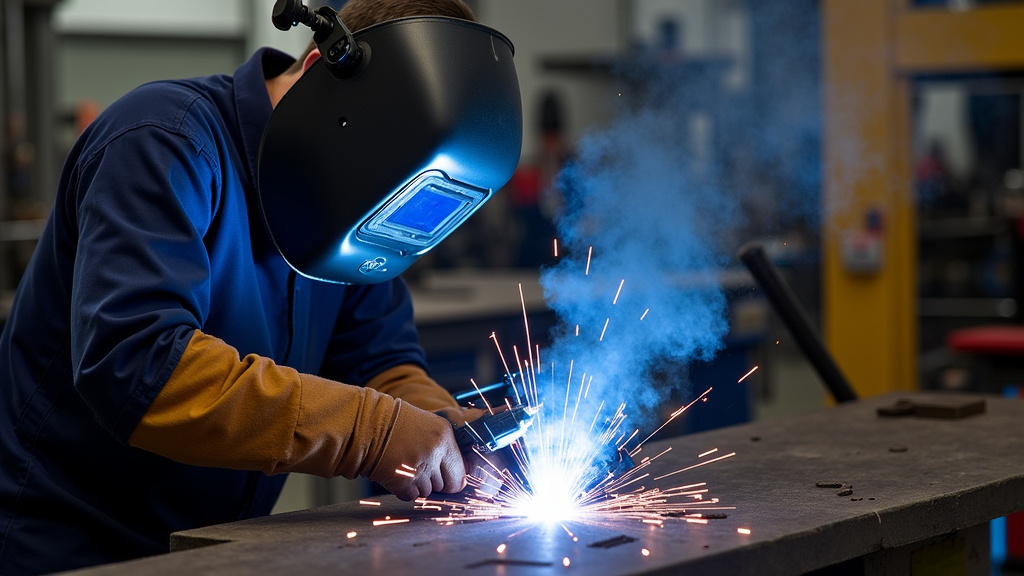
Both welding and brazing involve high heat and potential hazards. Always wear appropriate personal protective equipment (PPE). This includes safety glasses or a welding helmet, heat-resistant gloves, and protective clothing. Ensure you have good ventilation to avoid inhaling fumes. Always follow safety guidelines specific to the process and materials you are using. Research and found that proper safety training is essential for both methods (Occupational Safety and Health Administration).
Making Your Choice: A Quick Checklist
Still unsure? Ask yourself these questions to guide your decision:
- Do I need the absolute strongest possible joint?
- Am I joining two pieces of the same metal, or different ones?
- How sensitive are my base metals to high heat?
- What is my budget for equipment and materials?
- What is my comfort level with learning a new skill?
By considering these points, you can confidently select the best joining method for your project. Both welding and brazing are powerful tools, and knowing when to use each one will lead to more successful results.
Conclusion
You’ve learned that welding and brazing are distinct metal joining techniques. Welding melts your base metals for maximum strength, ideal for structural projects. Brazing uses a lower-melting filler metal, perfect for joining different metals or heat-sensitive parts without damaging them. Your project’s needs—strength, material type, and heat tolerance—should guide your choice. Now that you understand these differences, you can confidently select the right method to ensure your projects are both strong and durable. Consider starting with a small practice project using brazing, as it’s often more forgiving for beginners.
Frequently Asked Questions
Is brazing as strong as welding?
Brazed joints are typically not as strong as welded joints, but they can still be very robust. Research indicates a well-executed brazed joint can achieve about 75% of the base metal’s strength, which is sufficient for many applications where extreme structural integrity isn’t the primary concern.
Can I braze aluminum and steel together?
Yes, brazing is excellent for joining dissimilar metals like aluminum and steel. Welding these two materials together can be very difficult or even impossible due to their vastly different melting points and properties. Brazing provides a reliable method for such combinations.
What happens if I overheat the metal when brazing?
If you overheat the base metal during brazing, you risk damaging it or even causing it to melt. This can compromise the joint’s integrity and lead to a weak bond or failure. Maintaining the correct temperature range is key to successful brazing.
Which method is easier to learn for a beginner?
Many find brazing to have a gentler learning curve than welding. The lower temperatures provide more working time and a reduced risk of burning through your material. This makes it a more forgiving process for those new to metal joining.
Do I need special equipment to start brazing?
Basic brazing can be done with relatively simple equipment, often less expensive than entry-level welding setups. You’ll typically need a torch, filler rods, flux, and appropriate safety gear. This makes it more accessible for DIYers and hobbyists.