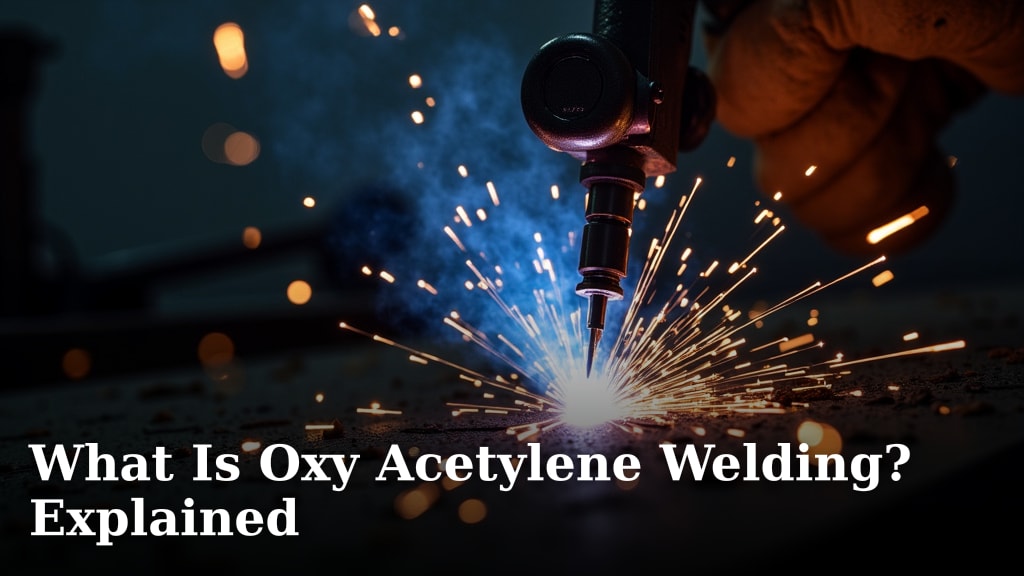
What Is Oxy Acetylene Welding? Explained
Oxy acetylene welding is a gas welding process that uses a torch to mix oxygen and acetylene gases, producing a flame that melts metal for joining or cutting. We found that this method is widely used in workshops and repair jobs because it’s versatile and relatively easy
Conclusion
Oxy acetylene welding gives you a versatile, hands-on method for joining and cutting metal. We found it remains a reliable choice for many repair jobs and small-scale fabrications due to its portability and control. While it has a slower pace and requires careful handling compared to modern alternatives, its fundamentals are essential knowledge for any metalworker. If you’re looking to expand your skills, we recommend starting with a safety-focused class at a local community college or trade center. There, you can practice on scrap metal and determine if this classic technique fits your projects.
Frequently Asked Questions
Is oxy acetylene welding expensive to start?
The initial equipment cost is often lower than for many electric welders. You’ll need a torch, regulators, hoses, and gas cylinders. However, ongoing costs for oxygen and acetylene can add up, especially with frequent use. It’s a budget-friendly way to begin for occasional tasks.
How difficult is it to learn oxy acetylene welding?
Most people can grasp the basic operation in a few practice sessions. The key is learning to control the flame and manage heat input. It requires patience and hand-eye coordination, but many beginners find the process more intuitive than arc welding initially.
Should I learn oxy acetylene or MIG welding first?
For general hobbyist and repair work, we often suggest starting with MIG welding. It’s generally faster and easier for creating clean, strong welds on steel. Oxy acetylene is still incredibly valuable to learn for cutting, brazing, and working with thinner materials.
What safety gear is essential for this welding?
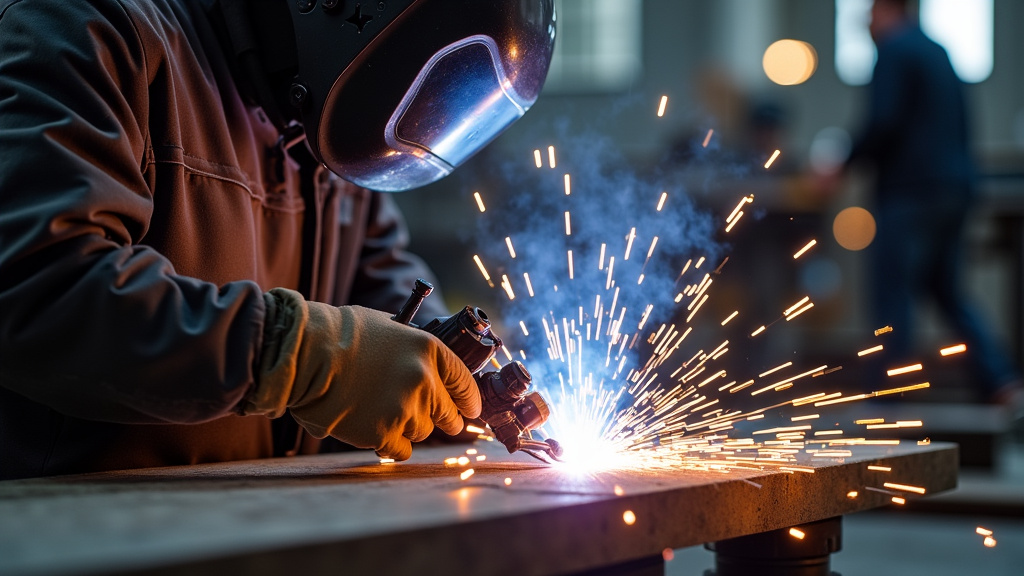
You must wear proper protection at all times. This includes a **welding shield** with the correct shade lens, **heat-resistant gloves**, and a **fire-resistant jacket**. Always work in a well-ventilated area to avoid inhaling fumes and ensure you have a fire extinguisher nearby.
Can this process weld stainless steel or aluminum?
You can weld stainless steel and cast iron with the right filler rods and technique. Welding aluminum is more challenging and less common with this method due to its high heat conductivity. For most aluminum work, TIG welding is the preferred professional choice.