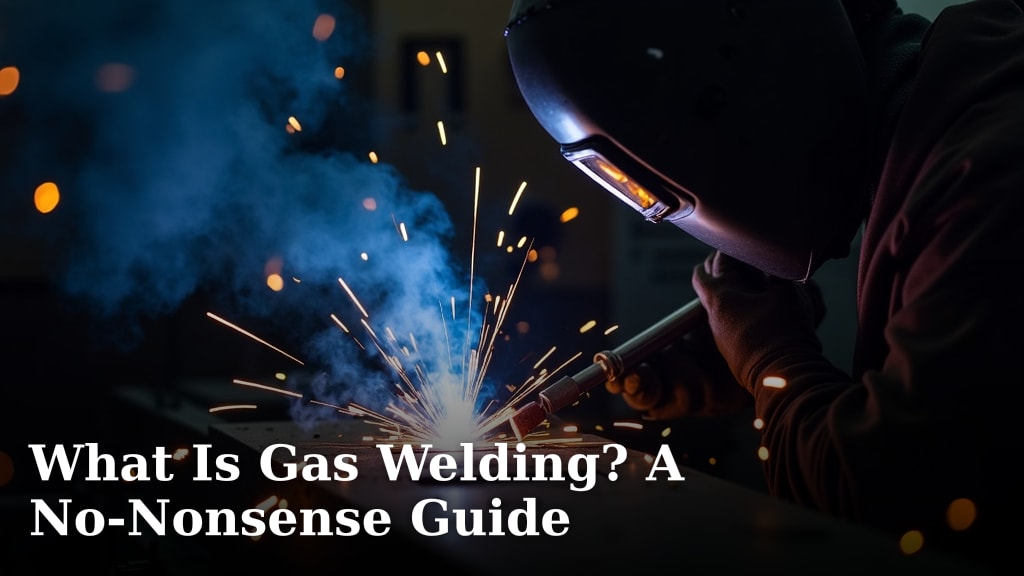
What Is Gas Welding? A No-Nonsense Guide
Understanding the Basics of Gas Welding
Gas welding is a process that uses the heat from a controlled flame to melt and join metal pieces. Think of it like using a very hot, precise torch to melt the edges of two puzzle pieces so they fuse together permanently. It’s one of the oldest and most straightforward welding methods you can learn.
This technique is often called oxy-fuel welding. That’s because it mixes oxygen with a fuel gas to create a flame hot enough to melt steel. You might have seen it used by artists, in small repair shops, or even in jewelry making. It’s popular because the equipment is portable and relatively affordable to start with.
The Essential Gear: What You’ll Need
Before you strike a flame, you need the right tools. The setup isn’t overly complicated, but every piece plays a key role in the process. Safety always comes first here.
Cylinders and Regulators
You’ll need two gas cylinders: one for oxygen and one for your fuel gas, commonly acetylene. Each cylinder has a regulator attached. This device steps down the high pressure inside the tank to a safe, usable level for the torch. Proper adjustment here is crucial for a stable flame.
The Torch and Tips
The torch is where you control the gases. You mix oxygen and fuel gas in specific ratios before they reach the tip. Different tips are used for different jobs—larger tips for thick metal, smaller ones for delicate work. A good fit between the torch and tip ensures a consistent, clean flame.
Hoses and Safety Gear
Two hoses, one red for fuel and one green for oxygen, connect the cylinders to the torch. Never mix them up. Your personal safety gear is non-negotiable. You’ll need proper welding goggles with the right shade, fire-resistant gloves, and a jacket. Many experts point out that most accidents happen due to skipped safety steps (National Institute for Occupational Safety and Health).
How the Flame is Made: A Simple Mix
The magic happens in the flame. By adjusting the ratio of oxygen to fuel gas, you create different types of flames for different metals. Getting this right is the foundation of good gas welding.
The Neutral Flame
This is your starting point and the most commonly used flame. It happens when you have a nearly equal mix of oxygen and acetylene. It produces a clear, sharp inner cone with a light blue outer envelope. A neutral flame won’t add or remove carbon from most steels, making it ideal for general work.
Oxidizing and Carburizing Flames
An oxidizing flame has too much oxygen. It’s hotter and hisses louder. You’d use it for metals like brass. A carburizing flame has excess fuel gas. It’s cooler and produces a feathered inner cone. This flame adds carbon and can be used for hard-facing or welding aluminum. Using the wrong flame on steel can make the weld brittle and weak.
The Step-by-Step Welding Process
Let’s walk through what happens during a basic gas weld on steel. The process is methodical and requires your full attention from start to finish.
Preparation is Everything
You must clean the metal thoroughly. Use a wire brush to remove rust, paint, or oil. Contaminants cause porous, dirty welds. Secure the pieces in the position you want them, often using clamps. A gap between the pieces is usually needed for the weld pool to form.
Heating and Adding Filler
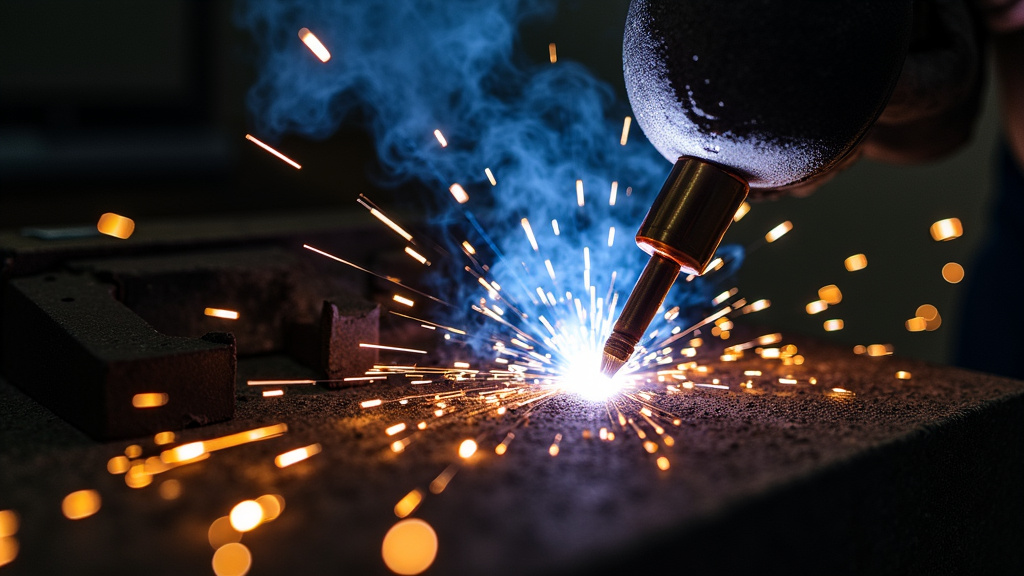
Light the torch and adjust it to a neutral flame. Hold the flame so the inner cone is close to, but not touching, the metal. Watch for the metal to become molten and form a small, bright puddle. Then, you’ll dip a filler rod—made of similar metal—into this puddle. The filler rod melts and adds material to the joint, building it up.
Moving the Puddle
You’ll move the torch and filler rod in a steady, rhythmic pattern. The goal is to keep the puddle consistent and guide it along the seam. The heat from the flame must always stay ahead of the filler metal. This ensures both base metals melt and bond properly.
Gas Welding vs. Other Methods
Gas welding is versatile, but it’s not the best tool for every job. Comparing it to other common methods helps you understand when to use it.
| Feature | Gas Welding (Oxy-Acetylene) | Arc Welding (Stick/MIG) | TIG Welding |
|---|---|---|---|
| Heat Source | Burning gas flame | Electric arc | Electric arc + inert gas shield |
| Primary Use | Thin metal, repairs, art, brazing | Thicker metal, fabrication, structural work | Precise work, thin metal, stainless steel & aluminum |
| Equipment Cost | Lower startup cost | Moderate to high | Highest |
| Speed | Slower | Faster | Very slow and precise |
| Portability | Excellent | Good (especially MIG) | Limited (requires more gas bottles) |
As you can see, gas welding shines in portability and control at lower temperatures. It’s fantastic for thinner materials where an intense electric arc might burn right through.
Where is Gas Welding Used Today?
Even with modern technology, gas welding has a solid place in many fields. Its simplicity and control are hard to beat for certain tasks.
- Art and Sculpture: Artists love the precise heat control for bending and joining metal without distorting delicate shapes.
- Automotive Repair: It’s often used for exhaust systems, bodywork, and in situations where electrical equipment isn’t practical.
- Plumbing and HVAC: Brazing (a form of gas welding) is standard for joining copper pipes in homes and buildings.
- Maintenance and Farm Repair: Its portability makes it a go-to for fixing equipment on-site, far from a workshop.
We found that its role in maintenance and artistic applications remains strong due to its unique advantages (American Welding Society).
Key Safety Considerations
Working with fire and high-pressure gas demands respect. Never become complacent. The hazards are real but manageable with strict protocols.
Fire Prevention
Acetylene is highly flammable. Check your hoses and connections for leaks with soapy water before lighting up. Always have a fire extinguisher within arm’s reach. Clear the area of flammable materials. The flame can spark fires several feet away.
Gas Cylinder Safety
Always secure cylinders upright to prevent them from falling. Use the proper caps when moving them. Store oxygen and fuel cylinders separately, ideally in a cool, dry place. Opening the oxygen valve too fast can cause adiabatic compression, which might ignite grease or oil on the valve (Occupational Safety and Health Administration).
Personal Protection
Your goggles protect your eyes from harmful infrared and ultraviolet radiation—not just bright light. Standard sunglasses are useless. The gloves and jacket protect you from spatter and radiant heat. Hearing protection is also wise, as the torch can be loud.
Getting Started: Your Checklist
If you’re thinking about trying gas welding, start smart. Don’t rush the learning curve. Build your skills and confidence step by step.
- Take a Local Class: Hands-on instruction from a certified welder is the safest, fastest way to learn basics.
- Master Safety First: Memorize and practice all safety rules before you ever light the torch.
- Start with Mild Steel: Practice on scrap mild steel. It’s forgiving and cheap, allowing you to focus on technique.
- Get Comfortable with the Flame: Spend time just adjusting the flame. Learn to create a perfect neutral flame by sound and sight.
- Focus on Heat Control: The core skill is controlling the heat input. Practice creating consistent puddles on flat metal before attempting joints.
Remember, every expert welder started with a shaky hand and a sputtering flame. Patience and practice are your best tools.
Conclusion
You now have a solid, no-nonsense understanding of what gas welding is. You’ve seen that it’s a portable, versatile skill perfect for thinner metals, repairs, and artistic projects. You know the essential gear, how to create the right flame, and the critical safety rules that keep you protected. Remember, the core of this craft is controlling heat and maintaining a clean process. It’s a powerful tool for specific jobs where precision and portability matter most.
If this guide sparked your interest, your best next step is clear. Find a local community college or welding shop that offers an introductory class. Getting hands-on instruction from a professional will build your confidence and skills far faster than trying to learn alone. It’s the safest and most effective way to start your welding journey.
Frequently Asked Questions
Can gas welding be used on thick steel plates?
While possible for repair work, gas welding isn’t ideal for thick steel. The heat doesn’t penetrate as deeply or as quickly as an electric arc process like stick or MIG welding. For structural joints on thick material, an arc welder is generally faster, stronger, and more efficient.
What kind of gas is used in the oxygen cylinder?
The cylinder marked green holds pure, compressed oxygen. This is essential for creating the high-temperature flame. It mixes with the fuel gas in the torch head to burn hot enough to melt metal. Never use any other gas in the oxygen cylinder.
Is propane a suitable replacement for acetylene?
You can use propane, but it requires different tips and creates a slightly different flame. Propane is often cheaper and more stable, making it a good choice for heating, bending, or brazing. However, acetylene burns hotter and is preferred for welding most steels.
How does gas welding compare to MIG for a total beginner?
Many find gas welding’s equipment setup more straightforward to understand initially. The visible flame and puddle offer immediate feedback. MIG welding often produces cleaner results faster on steel. We recommend trying both through classes to see which process feels more intuitive to you.
Can I use gas welding for aluminum or stainless steel?
Gas welding is excellent for aluminum with the right technique and a carburizing flame. It’s also used for stainless steel, but you must use a very clean, neutral flame and compatible filler rod to prevent corrosion. TIG welding is often the more common modern choice for these materials.