Is Welding Dangerous? A Beginner’s Guide
On this page (6 sections)
Yes, welding can be dangerous if you don’t take the right precautions. It involves intense heat, bright lights, and harmful fumes. But with proper safety gear and knowledge, you can weld safely. Think of it like driving a car; it has risks, but you manage them. We’re here to guide you through it.
Many beginners worry about getting hurt. Common concerns include burns, eye damage, and breathing in bad air. We found that understanding these risks is the first step. Learning about the proper equipment and safety procedures makes a huge difference. It’s about being prepared and aware.
- Welding involves hazards like intense heat, light, and fumes.
- Safety gear is essential to protect yourself from burns and eye damage.
- Learning proper techniques reduces the risk of injury significantly.
- Awareness and preparation are key to safe welding for beginners.
Below, we’ll break down exactly what makes welding potentially dangerous and how you can stay safe while you learn. Let’s get you welding with confidence!
Understanding the Risks of Welding Safely
Yes, welding carries inherent risks, but they are manageable. Many beginners worry about burns, eye damage, and breathing in fumes. We’ve found that understanding these potential dangers is the first step to staying safe. When you learn about the right equipment and procedures, you can weld with confidence. Think of it like driving; there are rules and safety features to protect you.
The Dangers of Welding: What You Need to Know
Welding involves several hazards that require your attention. These include extreme heat, intense light, and toxic fumes. Failing to prepare can lead to injuries. But don’t let that scare you away. We’ll break down each risk and show you how to protect yourself. Welding involves several hazards that require your attention, but understanding different types like gas welding can help you prepare.
1. Extreme Heat and Burns
Welding sparks can reach temperatures as high as 3,000 degrees Fahrenheit. That’s hot enough to melt metal! These sparks can fly unpredictably. They can land on your skin, clothing, or nearby materials. Burns are a common injury for welders. This can range from minor discomfort to severe, life-threatening injuries. It’s essential to wear protective gear that acts as a barrier between you and this intense heat.
2. Intense Light and Eye Damage
The arc created during welding emits very strong ultraviolet (UV) and infrared (IR) radiation. This light is brighter than the sun. Staring directly at the welding arc without proper eye protection can cause serious damage. A common condition is “arc eye” or “welder’s flash.” This is essentially a sunburn on your cornea. Symptoms include pain, redness, and light sensitivity. In severe cases, it can lead to long-term vision problems. This is why your welding helmet is one of your most important tools.
3. Harmful Fumes and Gases
When metals are heated to high temperatures, they release fumes and gases. The specific fumes depend on the metal being welded and any coatings on it. These fumes can contain hazardous substances like manganese, zinc, and lead. Breathing them in can cause immediate symptoms like dizziness or nausea. Long-term exposure can lead to serious respiratory problems, including “metal fume fever” and even neurological damage. Adequate ventilation is key to managing this risk.
4. Electrical Hazards
Most welding processes use electricity. This means there’s always a risk of electrical shock. If you’re welding in wet conditions or if your equipment isn’t properly maintained, the risk increases. Faulty wiring or improper grounding can create a dangerous path for electricity. Always ensure your equipment is in good condition and follow safety guidelines for electrical work. Dry conditions and insulated gear are your best friends here.
5. Fire and Explosion Risks
The sparks and extreme heat from welding can easily ignite flammable materials. This could be anything from stray rags to flammable liquids or gases in the area. Fires caused by welding can spread quickly. In some environments, like construction sites or workshops, there might be explosive gases present. You need to be very careful about your surroundings. A thorough pre-weld inspection of the area is always recommended.
Essential Safety Gear for Beginners
Protecting yourself starts with the right gear. Many experts agree that personal protective equipment (PPE) is non-negotiable. Think of your PPE as your personal safety shield. Wearing the correct items significantly reduces your risk of injury. Let’s go over the must-have items for any beginner welder.
1. The Welding Helmet: Your Eyes’ Best Friend
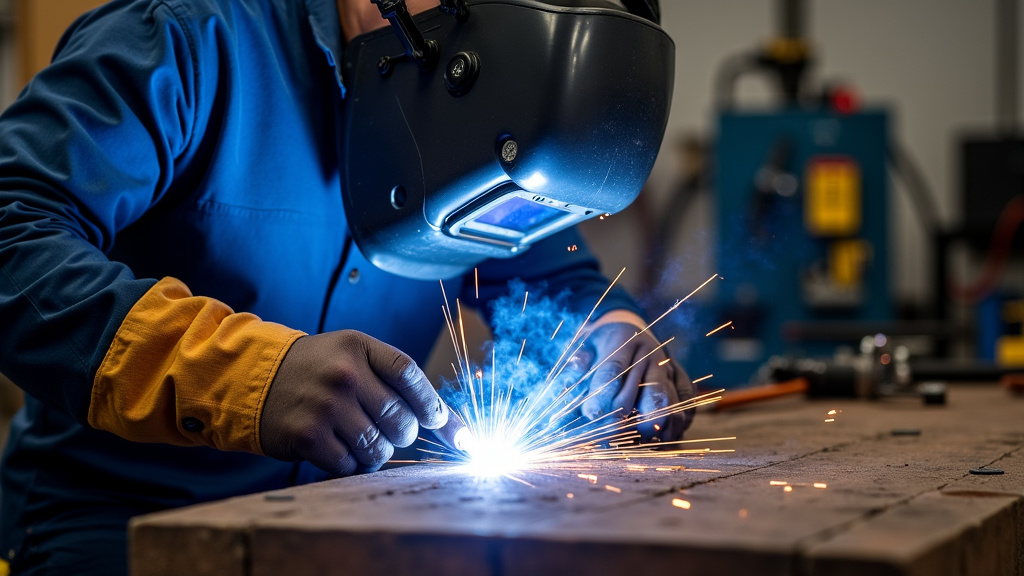
Your welding helmet is designed to protect your face and eyes from intense light, sparks, and heat. Modern helmets have a special auto-darkening lens. This lens automatically darkens when it detects the bright light of the welding arc. This is a huge improvement over older, fixed-shade helmets. Always ensure your helmet has the correct shade rating for the type of welding you’re doing. Many sources, like the American Welding Society (AWS), recommend a shade level between 9 and 13 for most common welding tasks.
2. Protective Clothing: Guarding Your Skin
You need clothing that can withstand sparks and heat. Natural fibers like 100% cotton or wool are generally recommended. Avoid synthetic materials like polyester, as they can melt onto your skin if sparks land on them. Your clothing should cover as much of your body as possible. This includes long sleeves and pants. Leather aprons and spats can offer extra protection against sparks and heat. Make sure your cuffs and pockets are closed to prevent sparks from getting inside.
3. Gloves: Shielding Your Hands
Welding gloves are made of thick leather to protect your hands. They shield you from heat, sparks, and UV radiation. They also provide a better grip on your welding tools. Look for gloves that are specifically designed for welding. They should be durable and comfortable enough for you to control your welding torch or electrode.
4. Safety Glasses and Respirator: Breathing and Seeing Clearly
Even with a welding helmet, wearing safety glasses underneath is a good idea. These protect your eyes from sparks or debris if the helmet is lifted. For fume protection, a respirator is often necessary. The type of respirator you need depends on the welding process and the environment. For many common welding tasks, an N95 respirator might suffice. However, if you’re welding in a poorly ventilated area or with materials that produce a lot of fumes, you might need a more advanced respirator. We found that checking local regulations and consulting with safety professionals can help you choose the right one.
Creating a Safe Welding Environment
Your workspace plays a big role in your safety. A cluttered or unsafe area can increase risks. Taking time to set up your workspace properly is crucial. It’s about being prepared before you even strike an arc. We’ve learned that even simple steps can make a big difference.
1. Ventilation is Key
As we discussed, welding fumes can be dangerous. Good ventilation helps dissipate these fumes. If you’re welding indoors, try to work in a well-ventilated shop or use exhaust fans. Natural ventilation from open doors or windows can help. If you can’t achieve adequate ventilation, a respirator becomes even more important. Some experts recommend mechanical ventilation systems for enclosed spaces.
2. Clear the Area of Flammables
Before you start welding, do a thorough check of your surroundings. Remove any flammable materials from the work area. This includes liquids, gases, and combustible debris. If you can’t move a flammable object, cover it with a fire-resistant blanket. Have a fire extinguisher readily accessible. Know how to use it. A Class ABC extinguisher is generally suitable for most welding fires.
3. Keep Your Workspace Organized
A tidy workspace is a safer workspace. Keep your tools and materials organized. This prevents tripping hazards. Ensure cables are routed safely and don’t obstruct walkways. Good organization also means you can easily find what you need. This reduces fumbling and potential mistakes.
Best Practices for Beginner Welders
Beyond gear and environment, your actions matter most. Following safe work practices is essential for avoiding injuries. These are habits you’ll build over time. They become second nature with practice. We’ve gathered some core practices that most safety guides recommend.
1. Know Your Equipment
Before you start, understand how your welding machine works. Read the manufacturer’s manual. Make sure it’s in good working order. Check cables for damage. Ensure proper grounding. If something seems off, don’t use it. Get it checked or repaired.
2. Practice Good Posture and Technique
How you hold your body and your welding torch affects both your weld quality and your safety. Maintain a stable stance. Avoid awkward positions that could lead to muscle strain or imbalance. Proper technique also helps control sparks and heat.
3. Take Breaks and Stay Aware
Welding can be physically demanding. Fatigue can lead to mistakes. Take regular breaks. Stay hydrated. Pay attention to your surroundings and any changes in ventilation. If you feel unwell, stop welding immediately.
4. Never Weld Alone (If Possible)
Having someone else nearby is a good safety measure. They can watch for hazards, assist in case of an emergency, or alert you if something goes wrong. This is especially important when you’re first learning.
Here’s a quick checklist to keep in mind:
- Always wear your full PPE: helmet, gloves, proper clothing, safety glasses, and respirator if needed.
- Ensure your work area is well-ventilated and free of flammable materials.
- Keep a fire extinguisher nearby and know how to use it.
- Inspect your welding equipment before each use.
- Never compromise on safety for the sake of speed or convenience.
- If something feels unsafe, stop and assess the situation.
Conclusion
You’ve learned that welding is not without its risks, but these dangers are manageable. By understanding the potential hazards like heat, light, fumes, electricity, and fire, you can take the right steps to protect yourself. We’ve seen how essential the correct safety gear and a safe work environment are. Remember, your awareness and preparation are your best tools for safe welding. Now, get out there and practice these safety measures to weld with confidence and a focus on staying safe!
Frequently Asked Questions
Can I weld without a helmet if I only do it for a few seconds?
No, even a very brief exposure to the welding arc can cause “arc eye.” This condition feels like a sunburn on your cornea and is very painful. Always wear your welding helmet, even for short tasks or tack welds.
What kind of clothing is safe to wear when welding?
You should wear clothing made from 100% natural fibers, like heavy cotton or wool, that covers your arms and legs. Avoid synthetic fabrics such as polyester, as they can melt and stick to your skin if sparks land on them.
Is welding safe to do in my garage?
Your garage can be a safe place if you ensure proper ventilation. Open doors and windows, or use exhaust fans to clear out harmful fumes. If ventilation is poor, you must use a respirator and take extra precautions.
What should I do if I get a small burn from a welding spark?
For minor burns, clean the area gently with cool water and apply a clean, dry dressing. Avoid using butter or ointments. If the burn is severe, blistering, or shows signs of infection, seek medical attention immediately.
How often should I check my welding equipment for safety issues?
You should inspect your welding equipment, including cables and connections, before every welding session. Look for any signs of damage, wear, or loose parts. If you find any issues, do not use the equipment until it’s repaired by a qualified professional.