Is Welding a Good Skill to Learn? Explained
On this page (9 sections)
- Why Learning the Welding Trade Makes Sense
- Career Paths and Job Prospects for Welders
- The Practical Benefits of Welding Skills
- Developing a Rewarding Hands-On Craft
- Essential Skills and Training for Welders
- Safety First: What You Need to Know
- Making the Decision: Is Welding Right for You?
- Conclusion
- Frequently Asked Questions
Yes, welding is a good skill to learn for many reasons. It offers strong career opportunities and a chance to work with your hands. You can build a secure future with this practical trade.
Learning to weld means you can fix metal objects or create new ones from scratch. It’s a skill used in many industries, from construction to car repair. Many people find satisfaction in mastering this hands-on craft and seeing their projects come to life. It’s a trade that remains in demand.
- Welding offers good job prospects.
- It’s a practical skill for fixing and building.
- Demand for welders is consistent across industries.
- It provides a sense of accomplishment.
- It can lead to a stable and rewarding career.
Let’s walk through why learning to weld might be the right choice for you.
Why Learning the Welding Trade Makes Sense
Yes, welding is absolutely a good skill to learn. It opens doors to a stable career with good pay and lots of job variety. If you enjoy working with your hands and seeing tangible results, welding might be for you.
Think about it: metal is everywhere. From the buildings we live and work in to the cars we drive and the bridges that connect our communities, welding plays a part. This makes it a skill that is consistently in demand across many different industries.
Career Paths and Job Prospects for Welders
So, what kind of jobs can you get with welding skills? The options are surprisingly broad. Many people picture construction sites, and that’s certainly a big area. But welders are also essential in manufacturing, automotive repair, aerospace, shipbuilding, and even artistic metalwork.
The U.S. Bureau of Labor Statistics projects a solid demand for welders. They estimate that employment of welders, cutters, solderers, and brazers is projected to grow 2 percent from 2022 to 2032. While this might seem small, it means about 47,800 new jobs are expected over the decade. This steady need ensures job security for those who master the craft.
Industries Actively Hiring Welders
Let’s break down where you’ll find the most welding jobs. Construction is a major employer, building everything from homes to skyscrapers. Manufacturing plants rely on welders to assemble products, from heavy machinery to consumer goods. The automotive industry uses welding for car frames and repairs.
Shipbuilding and repair facilities need skilled welders to construct and maintain vessels. Pipeline companies require welders for infrastructure projects. Even the energy sector, including power plants and refineries, depends heavily on welding for construction and maintenance. Plus, there’s always a place for artistic welders who create custom metal sculptures and furniture.
Earning Potential and Salary Expectations
When considering a new skill, you naturally want to know about the pay. The good news is that welding can be a lucrative trade. The median annual wage for welders, cutters, solderers, and brazers was $48,970 in May 2023. That’s a solid income, especially when you consider that entry-level positions will likely start lower, and experienced welders can earn significantly more.
Factors like your location, specific industry, certifications, and years of experience will all influence your earnings. For example, specialized welding techniques or working in high-demand areas like oil and gas can lead to higher pay. Many welders also find opportunities for overtime pay, which can boost their annual income.
The Practical Benefits of Welding Skills
Beyond a career, learning to weld gives you practical skills you can use in your everyday life. It’s incredibly satisfying to fix something yourself instead of paying someone else.
Imagine your beloved metal garden gate breaks. Instead of buying a new one, you could weld the pieces back together. Or maybe you have a brilliant idea for a custom bookshelf or a unique piece of outdoor decor. With welding, you can bring those ideas to life.
Repairing and Maintaining Metal Items
Many household items and equipment are made of metal. From farm equipment to bicycles, and even parts of your car, things can break. Knowing how to weld can save you money on repairs. It allows you to extend the life of your possessions.
You can tackle repairs on trailers, metal furniture, railings, and countless other items. This ability to fix things yourself is not only economical but also incredibly empowering. It means you are less reliant on others for simple metalwork.
Creating and Building with Metal
Perhaps you have a creative side. Welding isn’t just about repairs; it’s about creation. Many artists and hobbyists use welding to build incredible sculptures, custom fabrication projects, and unique metal art pieces. If you enjoy designing and building, welding offers a fantastic medium.
You could design and build your own barbecue smoker, a custom go-kart, or even contribute to larger fabrication projects. The ability to shape and join metal opens up a world of possibilities for personal projects and creative expression. It’s a skill that can truly let your imagination run wild.
Developing a Rewarding Hands-On Craft
In today’s world, many jobs involve sitting at a desk. If you’re someone who prefers to be active and see the results of your labor, welding is an excellent choice. It’s a trade that requires focus, precision, and a good understanding of materials.
Mastering welding involves learning different techniques and understanding how various metals behave. It’s a continuous learning process, which can be very engaging for those who enjoy problem-solving and skill development.
The Satisfaction of Building and Fixing
There’s a deep sense of accomplishment that comes from welding. When you complete a project, whether it’s a simple repair or a complex fabrication, you can point to it and say, “I made that.” This tangible output is highly rewarding.
You get to witness the transformation of raw metal into something useful or beautiful. This direct connection to your work is something many people find incredibly fulfilling. It’s a feeling that many desk jobs simply can’t replicate.
Is Welding Physically Demanding?
It’s true that welding can be physically demanding. You might be standing for long periods, working in various weather conditions, and lifting materials. However, it’s not as grueling as some might imagine, especially with modern equipment.
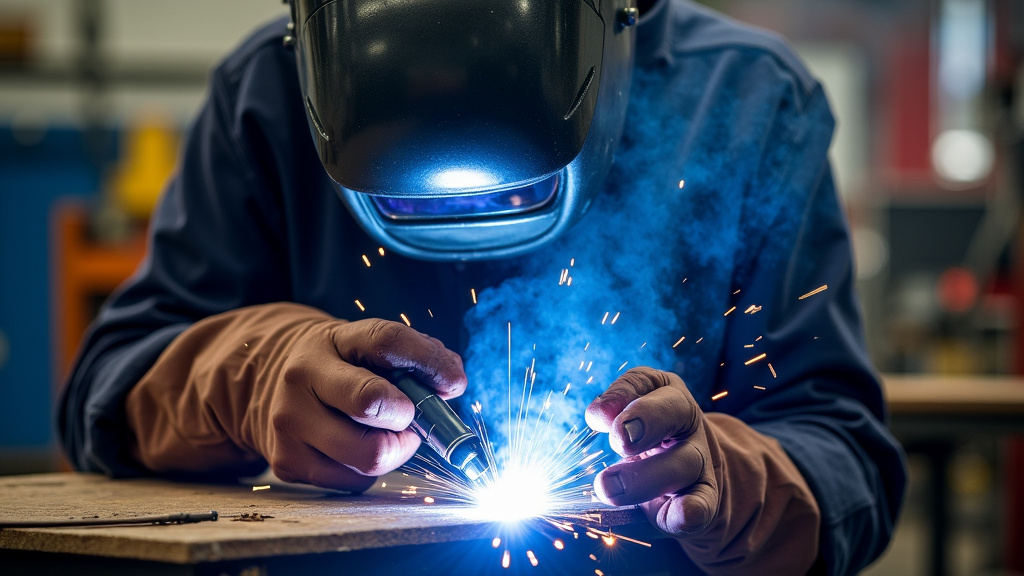
Safety protocols and proper technique are key. For instance, wearing the correct personal protective equipment (PPE) is crucial. This includes a welding helmet, gloves, protective clothing, and safety glasses. When done correctly and safely, it’s a manageable physical activity for most people.
Essential Skills and Training for Welders
To become a skilled welder, you’ll need more than just enthusiasm. You’ll need proper training and a commitment to safety. Fortunately, there are many avenues to acquire these skills.
Formal Training Programs and Certifications
Many community colleges and trade schools offer welding programs. These programs provide hands-on training in various welding processes like Stick (SMAW), MIG (GMAW), and TIG (GTAW). You’ll learn about safety, metallurgy, blueprint reading, and welding techniques. Many community colleges and trade schools offer welding programs that teach various welding processes like Stick (SMAW), MIG (GMAW), and TIG (GTAW).
Earning certifications, such as those from the American Welding Society (AWS), can significantly boost your credibility and job prospects. Certifications demonstrate that you’ve met industry standards and possess specific welding skills.
Apprenticeships as a Pathway
Apprenticeship programs are another excellent way to learn welding. These programs combine on-the-job training with classroom instruction. You’ll work under experienced welders, gaining practical experience while earning a wage. Many unions and companies offer apprenticeships.
Apprenticeships are often paid, allowing you to earn money while you learn. This can be a financially smart way to gain expertise and build a network within the industry. Many experts say apprenticeships offer a direct route to becoming a fully qualified welder.
Safety First: What You Need to Know
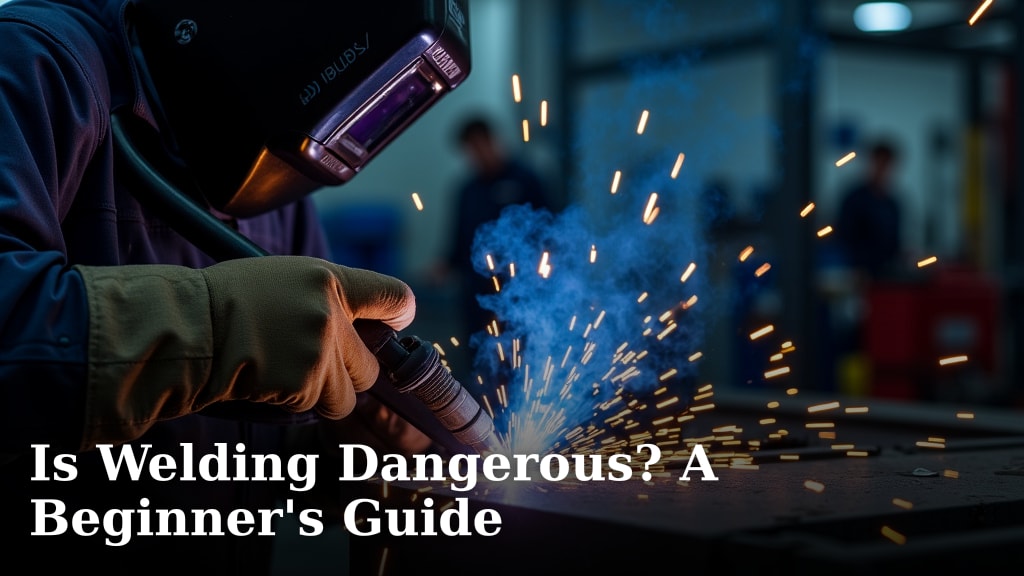
Safety is paramount in welding. The process involves intense heat, sparks, UV radiation, and potentially hazardous fumes. Therefore, understanding and practicing safety procedures is not optional; it’s essential.
Understanding Welding Hazards
The primary hazards include burns from molten metal and hot surfaces, eye damage from UV and infrared radiation (often called “welder’s flash”), and respiratory issues from inhaling welding fumes. Electrical shock is also a risk.
Proper ventilation is crucial to dissipate fumes. For example, welding in an open area or using fume extraction systems helps protect your lungs (Occupational Safety and Health Administration).
Essential Safety Gear (PPE)
Your personal protective equipment (PPE) is your first line of defense. This includes:
- A welding helmet with the correct shade lens to protect your eyes and face from sparks and radiation.
- Flame-resistant clothing, such as cotton or leather jackets and pants, to protect your skin from burns and sparks.
- Leather gloves designed for welding to protect your hands.
- Safety glasses or goggles worn under the helmet for added eye protection.
- Steel-toed boots to protect your feet.
Always ensure your gear is in good condition and properly worn. Many find that becoming comfortable with PPE becomes second nature.
Making the Decision: Is Welding Right for You?
Deciding to learn welding is a personal choice. Consider your interests, your comfort with hands-on work, and your career goals. If you enjoy problem-solving, working with tools, and seeing the fruits of your labor, welding could be a fantastic path.
The demand for skilled welders is strong, offering stability and good earning potential. It’s a trade that requires dedication and continuous learning, but the rewards – both financial and personal – can be substantial. Many individuals find great satisfaction in mastering this essential craft.
A Quick Checklist to Consider:
- Do you enjoy hands-on work?
- Are you comfortable with problem-solving?
- Do you want a career with job security?
- Are you willing to prioritize safety?
- Are you looking for tangible results from your work?
- Do you want a skill that’s in demand?
If you answered yes to most of these, it might be time to explore welding further. It’s a skill that builds, repairs, and connects our world.
Conclusion
Learning to weld offers a solid path toward a stable and rewarding career. You can build, fix, and create with your hands, enjoying tangible results from your work. The demand for skilled welders remains strong across many industries, meaning job security and good earning potential are well within reach. If you enjoy hands-on problem-solving and want a trade that offers both financial stability and personal satisfaction, welding is definitely worth considering. Your next step could be researching local trade schools or apprenticeship programs to get started.
Frequently Asked Questions
What are the biggest benefits of learning to weld?
The main benefits include strong job prospects and good earning potential. You also gain practical skills for fixing things around your home and the satisfaction of creating metal projects from scratch. It’s a hands-on trade that remains in demand.
Do I need a lot of strength to be a welder?
While welding can involve physical work, modern equipment and proper techniques make it manageable for many. You’ll be on your feet often and might lift materials, but it’s not as strenuous as some imagine. Focusing on safe practices is key.
How much can I expect to earn as a welder?
The median annual wage for welders was around $48,970 in May 2023. Experienced welders in specialized fields or high-demand areas can earn considerably more. Your location and certifications will also affect your pay.
Is it hard to find a welding job after training?
Generally, finding a welding job is not difficult due to the consistent demand for skilled professionals. Industries like construction, manufacturing, and automotive are always looking for qualified welders. Having certifications can further improve your job search.
What are the main safety risks in welding?
The primary safety risks involve burns from heat and sparks, eye damage from UV radiation, and respiratory problems from fumes. Electrical shock is also a concern. Wearing proper personal protective equipment (PPE) and working in well-ventilated areas are essential for safety.