What Is a TIG Welder? A Practical Answer
On this page (7 sections)
A TIG welder is a type of welding machine that uses a A TIG welder is a type of welding machine that uses a non-consumable tungsten electrode to create a precise and clean weld, similar to how arc welding works.non-consumable tungsten electrode to create a precise and clean weld. It’s known for producing high-quality results on a variety of metals, from steel to aluminum. Many welders consider it the gold standard for aesthetic and strong welds. If you also need to cut metal, learn how a plasma cutter works.
This welding process, also called Gas Tungsten Arc Welding (GTAW), shields the weld area with an inert gas like argon. This prevents contamination and helps achieve that signature smooth, professional finish. Think of it as a more controlled, artistic way to join metals, ideal for projects where looks matter as much as strength.
- A TIG welder uses a tungsten electrode.
- It creates clean, high-quality welds.
- Shielding gas prevents contamination.
- It’s great for precise work on various metals.
- Often used when a polished look is important.
Ready to understand how this advanced welding method actually works and if it’s right for your next project? Let’s break down the practical details of TIG welding.
Understanding the Basics of TIG Welding Machines
A TIG welder is a type of welding machine that uses a non-consumable tungsten electrode to create a precise and clean weld. It’s known for producing high-quality results on a variety of metals, from steel to aluminum. Many welders consider it the gold standard for aesthetic and strong welds.
This welding process, also called Gas Tungsten Arc Welding (GTAW), shields the weld area with an inert gas like argon. This prevents contamination and helps achieve that signature smooth, professional finish. Think of it as a more controlled, artistic way to join metals, ideal for projects where looks matter as much as strength.
- A TIG welder uses a tungsten electrode.
- It creates clean, high-quality welds.
- Shielding gas prevents contamination.
- It’s great for precise work on various metals.
- Often used when a polished look is important.
Ready to understand how this advanced welding method actually works and if it’s right for your next project? Let’s break down the practical details of TIG welding.
How Does a TIG Welder Actually Work?
The Core Components of the Process
At its heart, TIG welding involves using a special welding torch. Inside this torch is a non-consumable tungsten electrode. Think of this electrode like a pencil tip that doesn’t wear down. It creates an electric arc between itself and the metal you’re joining.
This arc is incredibly hot, reaching temperatures that melt the base metals. You might also use a filler metal, a thin rod of the same or a compatible material. You’ll feed this rod into the weld puddle with your other hand, much like you’re drawing with a pencil. The goal is to build up a strong, clean seam.
The Importance of Shielding Gas
One of the key things that makes TIG welding so clean is the shielding gas. As you weld, a continuous flow of inert gas, usually pure argon, comes out of the welding torch. This gas forms a protective bubble around the molten weld puddle and the hot tungsten electrode.
Why is this so important? Well, the air around us contains oxygen and nitrogen. If these gases touch the hot, molten metal, they can react with it. This causes impurities, making the weld weak and brittle. The shielding gas acts like a bodyguard, keeping the weld area free from these contaminants. Many welding guides emphasize this step for strong welds (Miller Electric Mfg. Co.).
What Kind of Power Do TIG Welders Use?
TIG welders typically use alternating current (AC) or direct current (DC). The type of current you need depends on the metal you’re welding. For aluminum and magnesium, AC is generally preferred. It helps to break up the oxides that form on these metals.
For steel, stainless steel, and other alloys, DC is usually the way to go. DC provides a more focused heat input. Some advanced TIG welders offer both AC and DC capabilities, giving you more versatility. This allows you to tackle a wider range of projects.
What Can You Weld with a TIG Welder?
Versatility Across Different Metals
One of the biggest advantages of TIG welding is its versatility. You can use it on a wide range of metals. This includes steel, stainless steel, aluminum, magnesium, copper, brass, and even exotic alloys like titanium. This makes it a great choice for hobbyists and professionals alike.
The precision of TIG welding means you can work with thin materials without burning through them. This is especially useful for delicate fabrication or repair work. It’s like using a fine-point pen instead of a thick marker for your metal art.
Metals Where TIG Shines
TIG welding is particularly well-suited for metals where a clean, aesthetic finish is required. Think of stainless steel exhaust systems or custom aluminum bike frames. The welds are smooth, often requiring minimal cleanup.
For steel and stainless steel, TIG provides very strong and visually appealing joints. For aluminum, its ability to handle oxides with AC current is a major plus. You can achieve beautiful, shiny welds that look almost like part of the original metal.
Key Differences: TIG vs. Other Welding Methods
TIG vs. MIG Welding
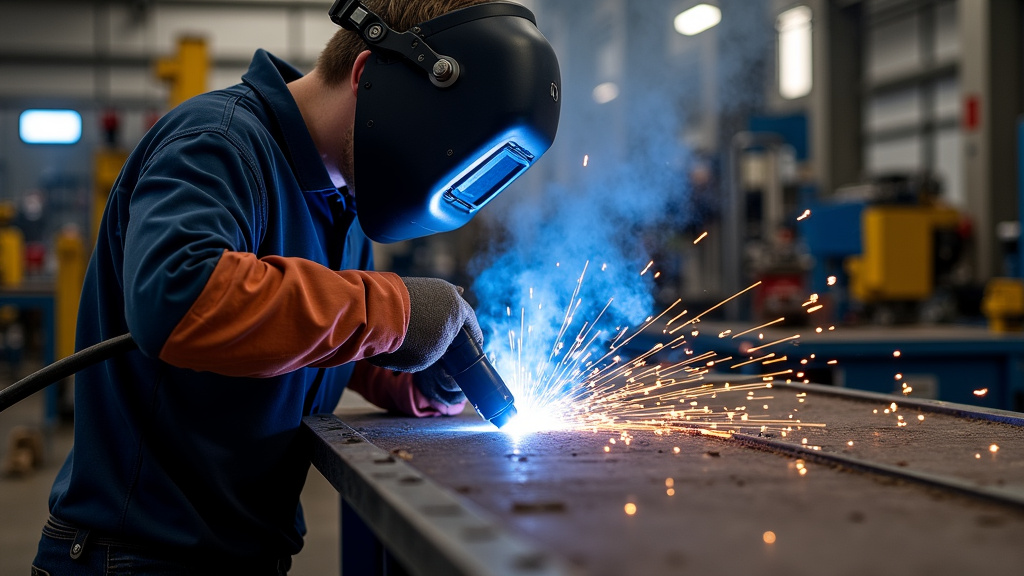
MIG (Metal Inert Gas) welding, also known as Gas Metal Arc Welding (GMAW), is another popular method. The main difference lies in the electrode. MIG uses a wire electrode that feeds through the torch and melts into the weld. TIG uses a non-consumable tungsten electrode.
MIG welding is generally faster and easier to learn. It’s great for thicker materials and production work. TIG welding, on the other hand, is slower and requires more skill. But it offers superior control and a much cleaner, more precise weld. If you need to weld very thin materials or want a near-perfect finish, TIG is often the better choice.
TIG vs. Stick Welding
Stick welding, or Shielded Metal Arc Welding (SMAW), uses a flux-coated electrode. The flux creates shielding gas and slag as it burns. Stick welding is excellent for outdoor use and works well on dirty or rusty materials. It’s also very portable and often less expensive to get started with.
However, stick welding tends to be messier. It produces a lot of spatter and slag that needs to be cleaned off. The control is not as fine as TIG. If you’re working on projects where appearance is critical or need to weld very thin metals with precision, TIG is the superior option.
What You’ll Need to Get Started with TIG Welding
Essential Equipment Checklist
To start TIG welding, you’ll need a few key items beyond just the welder itself. Think of it like setting up a painter’s studio. You need the easel, brushes, and paints.
- TIG Welding Machine: Obviously, you need the welder. Consider if you need AC/DC capabilities.
- TIG Torch: This is the handheld part that holds the tungsten electrode.
- Shielding Gas Cylinder: Usually argon, you’ll need a tank and a regulator.
- Tungsten Electrodes: These come in various types and diameters.
- Filler Metal Rods: Matched to your base metal.
- Safety Gear: A welding helmet with a proper shade, gloves, and protective clothing are a must.
Choosing the Right TIG Welder for You
When picking a TIG welder, think about your budget and what you’ll be welding most often. For beginners or home hobbyists, a DC-only welder might be sufficient if you plan to work mainly with steel. They are generally more affordable.
If you want to weld aluminum or need more versatility, look for a machine with AC/DC capabilities. Amperage is also important; higher amperage allows you to weld thicker materials. Many experts suggest starting with a welder in the 150-200 amp range for most common tasks (WeldingHQ Research). Always check reviews and compare features to find what best suits your needs.
Conclusion
You’ve learned that a TIG welder is a sophisticated tool for creating clean, precise, and beautiful welds. It uses a non-consumable tungsten electrode and a shielding gas to achieve professional results on a wide range of metals, setting it apart from MIG and stick welding for detailed work. While it requires practice, the control and aesthetic quality it offers can transform your projects. If precision and a polished finish are your goals, investing time in learning TIG welding is a rewarding step for your fabrication journey. Ready to try it? Research TIG welder models that fit your budget and initial projects to get started.
Frequently Asked Questions
Is TIG welding difficult for beginners?
TIG welding generally has a steeper learning curve compared to MIG or stick welding. It requires more fine motor control to manage the torch, filler rod, and pedal simultaneously. Many beginners find it challenging at first, but with practice, you can master the technique.
What kind of safety gear do I absolutely need for TIG welding?
Essential safety gear includes an auto-darkening welding helmet with the correct shade lens for TIG, heat-resistant gloves, and flame-retardant clothing. You also need to ensure good ventilation to avoid inhaling fumes from the welding process.
Can I use TIG welding for repairs on thin metal?
Yes, TIG welding is excellent for repairing thin metal because of its precise control over heat input. You can carefully add filler material without burning through the base metal, making it ideal for delicate fabrication or fixing damaged parts.
What is the difference between AC and DC TIG welding?
AC (Alternating Current) is typically used for aluminum and magnesium, as it helps break up surface oxides. DC (Direct Current) is generally used for steel, stainless steel, and other alloys, providing a more focused arc and deeper penetration.
How much does a basic TIG welding setup typically cost?
A basic TIG welding setup can range from a few hundred dollars for entry-level DC-only machines to over a thousand for AC/DC capable units. You’ll also need to factor in the cost of shielding gas, consumables like tungsten and filler rods, and safety gear.