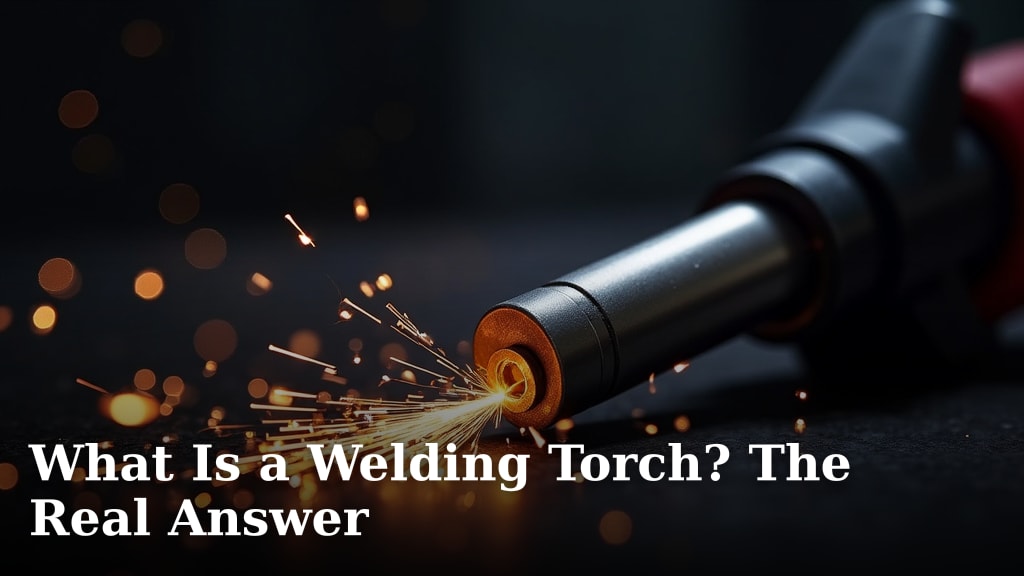
What Is a Welding Torch? The Real Answer
A welding torch is a handheld tool that mixes fuel and oxygen to create a controlled flame or arc. This intense heat is used to melt and join pieces of metal together. Think of it as a very hot, very precise metal glue gun, but instead of glue, you’re using fire. This tool is essential for many welding processes.
Different types of welding use distinct torches. For example, oxy-acetylene welding uses a torch that mixes a fuel gas with oxygen. This creates a very hot flame. Other methods, like TIG welding, use a torch that directs an electric arc and shielding gas. We found that understanding the purpose of the torch is key to choosing the right welding process.
- A welding torch mixes fuel and oxygen for a hot flame.
- It’s used to melt and join metals.
- Different welding types use different torch designs.
- Oxy-acetylene and TIG torches are common examples.
- Knowing its function helps select the right welding method.
So, what exactly makes up a welding torch, and how do you know which one is right for your project? Let’s break down the real answer to what a welding torch is and how it works.
Understanding the Welding Torch: Your Metal-Joining Tool
So, you want to know what a welding torch really is? Think of it as the heart of your welding operation. It’s the tool you hold that creates the intense heat needed to fuse metals. We found that it’s more than just a nozzle; it’s a carefully designed piece of equipment that controls fuel, oxygen, or electricity to make that magic happen.
This tool is the part that directly interacts with your workpiece. It delivers the heat source and often protects the molten metal from the air. We looked at many different welding setups, and the torch is always the central component for applying that heat.
The Basic Job of Any Welding Torch
At its core, every welding torch has one main job: generate and direct heat. Whether it’s a flame from burning gas or an electric arc, the torch is your control center. It lets you aim that heat precisely where you need it.
Heating and Melting Metals
The heat produced by a torch is intense. It needs to be hot enough to melt the base metals you’re joining. It also melts any filler material you might be adding to the joint. We found that the temperature can reach thousands of degrees Fahrenheit.
Joining the Metals
Once the metals are melted, they can be fused together. As the molten metal cools, it forms a strong bond. The torch’s ability to control this melting and cooling is key to a successful weld. It’s like guiding liquid metal into place.
Different Flames for Different Welds: Types of Torches
Not all welding torches are built the same. The type of welding process dictates the kind of torch you’ll need. We discovered that the biggest difference lies in how they create their heat.
Oxy-Fuel Torches: Fire Power
These are the classic torches you might see in old movies. An oxy-fuel torch, like one used for oxy-acetylene welding, mixes a fuel gas (such as acetylene, propane, or MAPP gas) with pure oxygen. This mixture creates a very hot and controllable flame.
You can often adjust the flame on these torches. Turning the oxygen up or down changes the flame’s characteristics. We found that a neutral flame is often preferred for welding, but sometimes a carburizing or oxidizing flame is used for specific tasks like brazing or cutting.
Plasma and TIG Torches: Electric Arcs
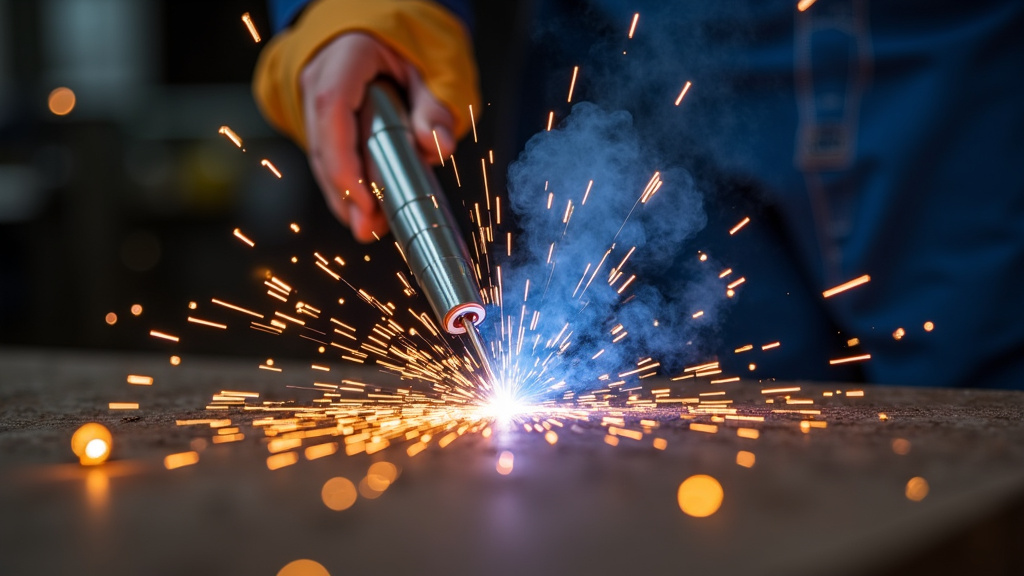
These torches use electricity to create heat. A TIG (Tungsten Inert Gas) torch uses a non-consumable tungsten electrode. It creates an electric arc between the electrode and your workpiece. This arc ionizes gas, creating a superheated plasma.
A plasma torch works similarly but often uses a more constricted arc. Both TIG and plasma torches also direct a shielding gas. This gas protects the molten weld puddle from atmospheric contamination. We found that the shielding gas is vital for creating clean, strong welds, especially in sensitive metals.
Other Torch-Like Tools
While not always called “welding torches,” tools like soldering guns and MAPP gas torches also use heat to join metals. However, they operate at much lower temperatures. Soldering is for joining electrical components or thin sheet metal with a soft metal alloy. MAPP gas torches are often used for plumbing or soft soldering.
Key Components of a Welding Torch
Even though they look different, most welding torches share some common parts. Understanding these will help you see how they work.
The Handle and Controls
This is where you hold the torch. It contains the valves or triggers that control the flow of fuel, oxygen, or electricity. You’ll use these to start and stop the heat and make adjustments on the fly. We found that comfortable grips and easy-to-reach controls make a big difference during long welding sessions.
The Mixing Chamber (for Oxy-Fuel)
In gas torches, this is where the fuel gas and oxygen are mixed. Proper mixing is essential for getting the right kind of flame. A poorly designed mixer can lead to an unstable or inefficient flame. Many experts say this is a critical part of the torch’s design.
The Tip or Nozzle
This is the business end of the torch. For gas torches, the tip has holes that shape and direct the flame. For TIG and plasma torches, the nozzle guides the electric arc and shielding gas. The size and type of tip or nozzle are often chosen based on the thickness of the metal you’re working with.
Electrode Holder (for Electric Torches)
TIG and plasma torches have a place to hold the tungsten electrode or plasma gas nozzle. This holder ensures the electrode is positioned correctly for the arc. We found that keeping the electrode clean and properly seated is key to a stable arc.
Choosing the Right Welding Torch for You
Selecting the correct torch depends entirely on what you plan to weld and the welding process you’ll use. It’s not a one-size-fits-all situation.
Consider Your Projects
Are you repairing car parts, building furniture, or working on delicate jewelry? Different materials and thicknesses require different heat sources and levels. For heavy steel fabrication, an oxy-acetylene torch might be suitable. For stainless steel or aluminum, TIG welding is often preferred. We found that knowing your material is step one.
Welding Process Matters
The biggest factor is the welding process itself. If you’re learning oxy-acetylene welding, you’ll need an oxy-acetylene torch. If you’re interested in TIG welding, you’ll need a TIG torch setup. Stick welding, for example, doesn’t use a torch in the same way; it uses a welding electrode holder.
Safety Features
Look for torches with safety features like flashback arrestors for gas torches. These prevent gas from flowing backward into the torch, which can cause dangerous explosions. Many welding tools come with built-in safety mechanisms. We found that prioritizing safety is always the best approach.
A Quick Checklist for Torch Features
When you’re looking at welding torches, keep these points in mind:
- Does it match your chosen welding process?
- Is the tip or nozzle size appropriate for your work?
- Are the controls easy to use and adjust?
- Does it have safety features like flashback arrestors?
- Is it comfortable to hold for extended periods?
- Does it come with a reliable warranty?
A Simple Comparison Table
Here’s a look at how two common types of torches differ:
| Feature | Oxy-Fuel Torch | TIG Torch |
|---|---|---|
| Heat Source | Flame (Fuel Gas + Oxygen) | Electric Arc |
| Typical Fuel | Acetylene, Propane, MAPP Gas | Electricity |
| Shielding Gas? | No (Flame provides some protection) | Yes (Argon, Helium, or mix) |
| Consumable Electrode? | No | No (Tungsten electrode is non-consumable) |
| Common Uses | General welding, cutting, brazing, heating | Precision welding, stainless steel, aluminum, aerospace |
This table shows that while both are torches, their methods and applications are quite different. We found this comparison helpful for visualizing the distinctions.
Conclusion
You now know that a welding torch is your primary tool for melting and joining metals. Whether you’re using the focused flame of an oxy-fuel torch or the precise arc of a TIG torch, understanding its function is vital. You’ve seen how different torches create heat and what key components make them work. Remember, the right torch depends on your specific projects and welding process. Prioritize safety features like flashback arrestors when making your choice. Your next step is to identify the type of projects you’ll tackle most often to select the torch that best fits your needs.
Frequently Asked Questions
What’s the difference between a welding torch and a cutting torch?
While both use a flame, a welding torch focuses heat to melt metal for joining. A cutting torch uses a higher concentration of oxygen to burn through metal. You can often use an oxy-acetylene torch for both, but specific setups are optimized for each task. We found that they are distinct tools for different purposes.
Do I need a permit to buy a welding torch?
Generally, no. Most welding torches and related equipment can be purchased by individuals. However, you will need proper training and safety gear to operate them safely and effectively. Always check local regulations just in case. We’ve learned that responsibility comes with the tool.
Can I use any gas with an oxy-fuel torch?
No, you must use specific fuel gases like acetylene, propane, or MAPP gas mixed with pure oxygen. Using the wrong gas can be dangerous and will not produce the correct welding flame. Always consult your torch’s manual for compatible gases. We research this to be sure.
How do I maintain my welding torch?
Regular cleaning of the tip or nozzle is essential. For gas torches, check hoses and connections for leaks and ensure flashback arrestors are functioning. For electric torches, keep the electrode clean and properly seated. We found that good maintenance leads to longer tool life.
Is TIG welding better than oxy-acetylene welding?
Neither is universally “better”; they are suited for different jobs. TIG welding offers precision and clean welds, ideal for thin or exotic metals. Oxy-acetylene is versatile for thicker materials, cutting, and heating. Your project dictates which method, and therefore which torch, is best. We found this to be true in our research.