Is It Weld Spatter or Weld Splatter?
Weld spatter is the standard technical term; weld splatter is a common variant. Both describe small molten metal droplets that land around the weld.
On this page (9 sections)
- Is it weld spatter or weld splatter?
- What does weld spatter look like?
- Why does weld spatter happen?
- Does spatter mean the weld is bad?
- How can you reduce weld spatter?
- How do you remove weld spatter safely?
- What tools and practice materials help?
- Is weld spatter the same as slag?
- Which term should you use?
Weld spatter is the standard technical term; weld splatter is a common variant. Both describe small molten metal droplets thrown from the arc that land around the weld.
The difference is mainly spelling. Welding guides, procedure documents, and shop notes usually use “spatter,” but people often say “splatter” because the droplets scatter across nearby surfaces.
Is it weld spatter or weld splatter?
Use “weld spatter” in technical writing. “Weld splatter” is widely understood and usually refers to the same thing, but “spatter” is the conventional welding term.
Both words describe droplets expelled from the arc or weld pool. They can stick to the workpiece, fixture, or nearby surfaces.
If you are learning terminology as part of welding for beginners, remember that the spelling changes, but the meaning generally does not.
Use the term your shop, class, or welding procedure uses when documenting work. That keeps notes clear, especially when a job has a specific cleanup or inspection requirement.
What does weld spatter look like?
Weld spatter is metal in small droplets around a weld bead. Some droplets sit loosely on the surface, while others cool and stick to the base metal or nearby parts.
Spatter can appear as scattered dots, rough bumps, or a wider patch around the weld. Its size and amount vary, so appearance alone does not identify a single cause.
Spatter is different from the weld bead itself. The bead is the deposited metal forming the joint; spatter is material that left the intended weld area.
Why does weld spatter happen?
Spatter happens when molten metal is expelled from the weld pool. The amount depends on the welding process and the conditions that shape the arc and transfer metal.
Possible contributors include settings that don't suit the material or joint, inconsistent travel or torch angle, contamination, poor fit-up, or consumables in poor condition. The relevant factors differ by process, so start with the machine and process instructions.
For MIG work, review the setup and technique in how to weld with a MIG welder. If you use a specific machine, the guide to how to use a Hobart Handler 140 MIG welder can help you understand its controls and setup.
TIG welding is often chosen when a welder wants more control over the weld pool, but it still requires suitable technique and setup. See how to TIG weld for process basics.
Can flux core welding create spatter?
Yes, flux core welding can create spatter. The amount depends on the wire, settings, material, joint, and technique.
A no-gas flux core setup doesn't mean there will be no spatter. Our guide to welding without gas explains what to expect from flux core welding and other gasless approaches.
Does spatter mean the weld is bad?
No, spatter alone doesn't prove a weld is defective. It is a sign that droplets were expelled, but it doesn't tell you whether the joint meets its strength or quality requirements.
Inspect the bead and joint for the issues that matter to your job, such as cracks, incomplete fusion, poor penetration, or an unacceptable profile. Use the applicable procedure or ask a qualified instructor or welding professional when the joint is safety-critical.
Spatter can still point to a setup or technique worth reviewing, especially when it is excessive or appears with other weld problems. Adjust one factor at a time so you can tell whether the change helped.
How can you reduce weld spatter?
Use process-appropriate settings, clean material, and steady technique to help reduce spatter. Start with the machine or wire maker's guidance, then make small adjustments for the material and joint.
Before welding, remove surface contaminants as the procedure requires and check that the parts fit together as intended. Confirm the wire or electrode is suitable and in usable condition.
Keep your torch or electrode angle and travel consistent. On MIG work, wire speed, voltage, stickout, and travel speed can all affect the arc, so avoid changing several settings at once.
Spatter control isn't the only measure of a good weld. Choose settings and technique to meet the required weld quality, rather than chasing a spotless surface at the expense of the joint.
How do you remove weld spatter safely?
Let the work cool, then remove spatter with a tool suited to the material and finish. A scraper, chipping tool, or grinder may be appropriate depending on how firmly the droplets stick and what the job allows.
Wear eye and hand protection, secure the workpiece, and keep sparks away from people and flammable materials. If grinding, use the right tool and guard, and avoid removing base metal or damaging the weld.
Some jobs require a specific surface finish or restrict grinding. Follow the drawing, procedure, or inspection requirements before cleanup.
What tools and practice materials help?
Tools and practice coupons can support welding practice, but they don't replace process training or protective equipment. Choose equipment that matches the process you plan to learn.
The BILT HARD 135A 3-in-1 IGBT Inverter Welder offers flux core MIG, stick, and lift TIG modes; its TIG torch is not included.
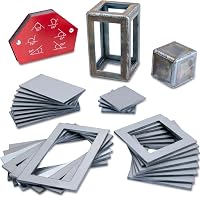
For repeat practice, the Hugbow 40 PCS Welding Coupons include mild steel plates in several sizes and a welding magnet for holding plates at an angle.
The Q-MING Soldering Iron Kit is for small electronics and circuit work, not arc welding or joining structural metal.
Is weld spatter the same as slag?
No. Spatter is expelled metal droplets; slag is residue left by some welding processes.
They can both appear near a weld, but they form differently and need different cleanup.
Flux-related slag can cover a weld and may need chipping or brushing after the pass, depending on the process. Spatter is made of droplets that land outside the intended bead.
Use the correct process terms when discussing cleanup or weld inspection. For questions about joint shape and performance, see what the strongest type of weld is.
Which term should you use?
Use weld spatter for technical notes, instructions, and search terms because it is the standard spelling. “Weld splatter” is also understood and generally describes the same droplets.
To reduce spatter, check the setup, clean the material, and keep your technique steady. For practice, use suitable coupons and follow the machine's guidance; judge the weld by the job's quality requirements, not by spatter alone.
Frequently asked questions
Is weld spatter the same as weld splatter?
Yes. Both terms usually mean small droplets of molten metal thrown from the arc and left around a weld.
Spatter is the standard term in welding references and technical writing, while splatter is a common spelling variant.
In either case, the droplets may stick to the workpiece or nearby surfaces.
What causes weld spatter?
Spatter forms when molten metal is expelled from the weld pool during arc welding. The amount can vary with the process, settings, wire or electrode condition, surface cleanliness, fit-up, and technique.
Check the process instructions and adjust one factor at a time instead of assuming every weld should be spatter-free.
Does weld spatter make a weld weak?
Spatter around a weld doesn't by itself prove that the joint is weak. It is surface evidence of expelled droplets, while joint strength depends on factors such as preparation, penetration, fit-up, and sound technique.
Inspect the weld itself against the requirements for the job, and remove spatter when it affects fit or finish.
How do you remove weld spatter?
Let the work cool, then remove loose spatter with a suitable scraper, chipping tool, or grinder for the material and job. Wear eye and hand protection, secure the work, and avoid gouging the base metal.
Follow the welding procedure and required finish standard, since some jobs limit grinding or material removal.