Can You Weld Without Gas? What to Expect
On this page (8 sections)
Yes, you can weld without gas, especially when using specific welding methods like Flux-Cored Arc Welding (FCAW) or Stick Welding (SMAW). These techniques use a flux coating on the wire or electrode to create shielding. This means you don’t need a separate gas cylinder for protection. It’s a common and practical choice for many projects.
Welding without gas offers distinct advantages, particularly for outdoor work or windy conditions where gas shielding can be blown away. While it might produce more spatter and cleanup than gas-shielded methods, it’s often considered simpler to set up and more portable. Many DIYers and professionals choose these methods for their reliability and ease of use.
- You can weld without shielding gas.
- Flux-cored and stick welding are common gasless methods.
- They are great for windy or outdoor jobs.
- Expect more cleanup but simpler setup.
- Choosing the right gasless method depends on your project.
Let’s walk through exactly what to expect when welding without gas, covering the pros, cons, and best uses for each method.
Welding Without the Gas: What to Expect
So, you’re wondering if you can skip the shielding gas for your welding projects. The short answer is a resounding yes! Many people successfully weld without a gas bottle. This is often done using specific types of welding. These methods rely on the consumable itself to provide the necessary protection. They are quite common for many jobs.
What does welding without gas really involve? It means you’ll be using a welding process that doesn’t require an external gas cylinder. This is often because the welding wire or electrode has a special coating. This coating does the job of shielding the molten weld pool. It keeps out atmospheric contaminants. This can simplify your setup. It also makes welding in certain environments much easier.
Understanding Gasless Welding Methods
When we talk about welding without gas, two main methods usually come up. These are Flux-Cored Arc Welding (FCAW) and Shielded Metal Arc Welding (SMAW), also known as stick welding. Both are workhorses in the welding world. They have been around for a long time. They are used for a wide range of applications.
Flux-Cored Arc Welding (FCAW) Explained
FCAW is a welding process that uses a tubular wire electrode. This wire has a flux in its core. Think of it like a hollow wire filled with special stuff. As the wire melts, the flux disintegrates. It creates a shielding gas. It also forms a protective slag on top of the weld. This slag needs to be cleaned off later. There are two main types of flux-cored wire.
Self-Shielded Flux-Cored Wire
This is the type of flux-cored wire that allows you to weld completely without gas. The flux inside the wire produces all the shielding needed. This makes it incredibly convenient. You just need your welder, the wire, and that’s about it. It’s a great choice for many situations.
Gas-Shielded Flux-Cored Wire
This wire also has flux inside. However, it requires an external shielding gas. This type is often used when you need a bit more weld quality or specific mechanical properties. But for true “gasless” welding, you want the self-shielded kind.
Stick Welding (SMAW): The Classic Gasless Option
Stick welding, or SMAW, is one of the oldest and most fundamental welding processes. It uses a consumable electrode coated in flux. This electrode is held in a special holder. You strike an arc between the electrode and the metal you’re joining. As the electrode melts, the flux coating decomposes. It releases shielding gases. It also creates a protective slag layer, just like FCAW. Stick welding is known for its versatility.
The Advantages of Welding Without Gas
Why would you choose to weld without gas? There are several compelling reasons. The most obvious is simplicity. You don’t have to worry about connecting gas cylinders. You won’t need to manage gas flow rates. This makes the whole process much more straightforward. It’s like baking without having to measure out every single ingredient individually.
Portability and Convenience
Without a bulky gas cylinder, your welding setup becomes much more portable. This is a huge plus for jobs away from your workshop. Think about working on a farm, a construction site, or even just moving around your own property. You can easily load up your welder and go. This convenience factor is a major draw for many users.
Performance in Windy Conditions
This is where gasless welding really shines. Shielding gases are light. In windy conditions, they can easily be blown away from the weld puddle. This can lead to a poor weld. You might get porosity or contamination. With self-shielded flux-cored wire or stick welding, the shielding is generated right at the arc. It’s much less affected by wind. This makes it ideal for outdoor welding or any situation where there’s a breeze. Many welders find this reliability invaluable.
Cost Considerations
While the initial cost of flux-cored wire or stick electrodes might be slightly higher per pound than plain steel wire, you save on the cost of shielding gas. Renting or buying gas cylinders and regulators can add up. Over time, especially for hobbyists or those who don’t weld constantly, going gasless can be more economical. You also avoid the hassle of refilling gas cylinders.
What to Expect: The Downsides and Differences
While welding without gas offers many benefits, it’s important to be aware of the trade-offs. The welds produced might look a bit different. They also require a bit more cleanup. Understanding these differences will help you set realistic expectations.
Increased Spatter and Fumes
One common characteristic of gasless welding is that it tends to produce more spatter. Spatter is those little molten metal droplets that fly off the weld. This means you’ll likely spend more time cleaning up after welding. You’ll need a chipping hammer and a wire brush. Also, gasless processes often generate more fumes than their gas-shielded counterparts. Good ventilation is always important in welding, but it’s especially so here. Always wear appropriate personal protective equipment (PPE).
Slag Inclusion and Cleanup
As mentioned, both FCAW and SMAW create a slag layer over the weld. This slag protects the molten metal. But it needs to be removed once the weld cools. If you don’t remove it properly, it can become trapped in the weld. This is called slag inclusion. It’s a type of weld defect. It weakens the joint. Proper technique and thorough cleaning are essential. This is another area where extra cleanup time is needed.
Weld Appearance
Welds made without gas might not always have that smooth, clean appearance you see from MIG welding with gas. They can be a bit rougher. They might have more texture. This is largely due to the flux and slag. For many applications, especially structural or hidden welds, appearance isn’t the primary concern. But if you’re aiming for a very polished look, you might need to do more post-weld finishing.
Metal Thickness Limitations
While you can weld a wide range of metal thicknesses with gasless methods, there can be some limitations. Thicker materials often require multiple passes. This takes more time. Very thin materials can be challenging because the arc can be hotter and harder to control without the finer adjustments gas can offer. However, for most common DIY and repair jobs (like on cars, gates, or trailers), it works very well.
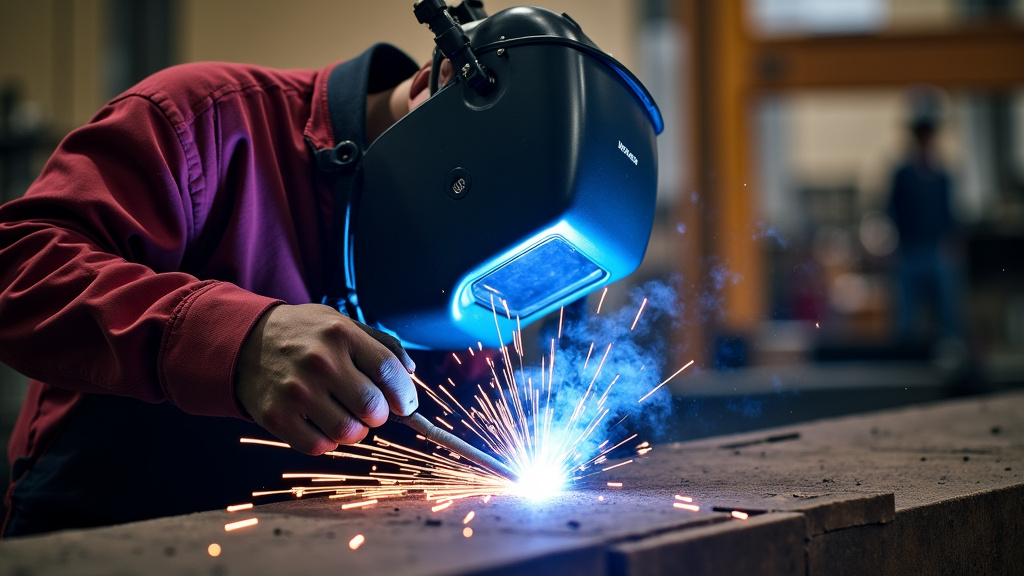
Choosing the Right Gasless Method for Your Project
The choice between self-shielded flux-cored and stick welding often comes down to personal preference and the specific job. Both can get the job done effectively.
When to Use Self-Shielded Flux-Cored (FCAW-S)
This method is excellent for mild steel. It’s very popular for automotive repair, fabrication, and general construction. It’s often considered easier to learn than stick welding. The wire feed system does most of the work for you. It’s great for outdoor work where wind is a factor. Many hobbyists find it very user-friendly.
When to Use Stick Welding (SMAW)
Stick welding is incredibly versatile. It excels at welding thicker metals. It can also handle dirty or rusty materials better than some other processes. It’s very effective on steel, cast iron, and some other alloys. It’s a fantastic choice for outdoor projects and situations where you need robust welds. Many experienced welders swear by stick welding for its reliability and the quality of welds it can produce when done correctly.
Quick Checklist for Gasless Welding Success
Ready to give gasless welding a try? Keep these key points in mind:
- Ensure you have the correct self-shielded flux-cored wire or stick electrodes.
- Always wear appropriate personal protective equipment (PPE).
- Work in a well-ventilated area due to increased fumes.
- Be prepared for extra cleanup (spatter and slag).
- Practice your technique on scrap metal first.
- Choose the right amperage and voltage settings for your material thickness.
Conclusion
You’ve learned that welding without gas is not only possible but often a practical choice. Methods like self-shielded flux-cored wire and stick welding offer simplicity and portability. They excel in windy outdoor conditions where gas shielding can fail. While you should expect more spatter, fumes, and cleanup compared to gas-shielded processes, the trade-offs often lead to a more straightforward setup. For your next project, consider these gasless options for their reliability and cost-effectiveness. If you’re ready to try it, gather your self-shielded consumables and dive in!
Frequently Asked Questions
Will welding without gas produce weaker welds?
Not necessarily. When done correctly, gasless welding methods like stick and self-shielded flux-cored can produce strong, reliable welds. The quality depends more on your technique and proper joint preparation than on the presence of shielding gas. Just be mindful of potential defects like slag inclusion and address them with good practice.
Can I use gasless welding on aluminum or stainless steel?
Generally, gasless welding methods like stick and self-shielded flux-cored are primarily used for welding carbon steel. Welding aluminum and stainless steel typically requires specific shielding gases for proper protection and weld quality. You’ll likely need a different setup for those materials.
How much more cleanup is involved with gasless welding?
You can expect a noticeable increase in cleanup. Both stick welding and self-shielded flux-cored welding create a slag layer that must be chipped and brushed off after welding. You’ll also encounter more spatter, which is small droplets of molten metal that fly off the weld. Be prepared to spend extra time with a chipping hammer and wire brush.
Is gasless welding easier for beginners?
Many find self-shielded flux-cored welding to be more beginner-friendly than stick welding. The wire feeder handles the electrode feeding for you, allowing you to focus on torch angle and travel speed. Stick welding requires more manual dexterity to manage the electrode angle and arc length.
Where can I buy the right wire or electrodes for gasless welding?
You can find self-shielded flux-cored wire and stick electrodes at most welding supply stores, larger hardware stores, and online retailers. Make sure the packaging clearly states “self-shielded” for the flux-cored wire, or choose electrodes designed for stick welding (SMAW). Always check the product description to confirm it does not require external shielding gas.