How to Weld Aluminum
Clean the aluminum, choose a process suited to its thickness and shape, and practice on matching scrap. TIG gives you control on thinner work, while aluminum MIG can suit longer seams when the machine and wire setup support it.
On this page (9 sections)
- How do you weld aluminum safely?
- What aluminum can you weld?
- How should you prepare aluminum before welding?
- Which process should you use for aluminum?
- What settings and filler should you use?
- How can you practice before welding a real part?
- What mistakes make aluminum welds harder?
- Does a soldering iron weld aluminum?
- How do you choose a first aluminum welding setup?
To weld aluminum, clean the metal, choose a process that fits the thickness and joint, and practice on similar scrap first. TIG offers control for thin pieces, while MIG can suit longer seams when the machine is set up to feed aluminum wire.
Aluminum carries heat quickly and forms an oxide layer that melts at a much higher temperature than the metal beneath it. Good preparation and a suitable process help you make a sound joint without overheating or contaminating the work.
How do you weld aluminum safely?
Wear the right welding protection, work in a ventilated area, and keep flammable materials away. Aluminum welding creates intense light, hot metal, and fumes, so follow the equipment manual and workplace safety guidance.
Use a welding helmet with a shade suited to your process and current, plus gloves, protective clothing, and closed footwear. A helmet included with a machine is not a reason to skip checking that its instructions and shade range fit your work.
Keep the work clamped securely and the return connection clean. Remove solvents and other flammable materials from the work area, and never weld a container that may have held fuel or other hazardous material.
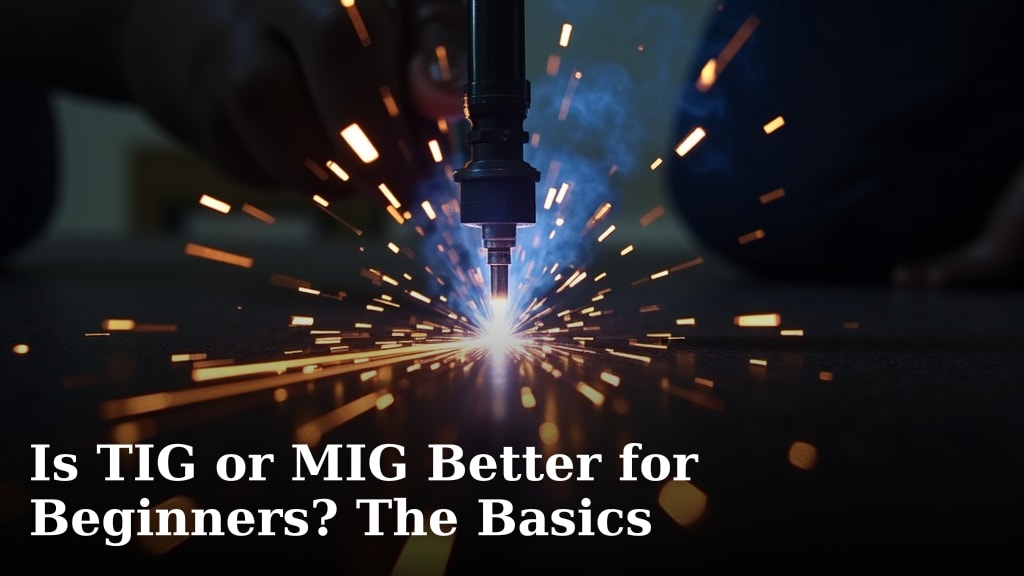
For a beginner overview of basic equipment and safe setup, see welding for beginners. If you are comparing processes before choosing equipment, [Is TIG or MIG Better for Beginners?
The Basics](/is-tig-or-mig-better-for-beginners/) explains the core tradeoffs.
What aluminum can you weld?
You can weld many aluminum alloys, but the alloy and temper affect how well they respond. Identify the material when possible, then check a reliable welding reference for process and filler recommendations.
Clean, known sheet or plate is a better practice choice than painted, coated, oily, or unidentified scrap. Mixed alloys and some heat-treated grades can crack or lose useful properties if welded without the right procedure.
Don't assume that two aluminum pieces can be joined just because both look alike. If you don't know the alloy, test the process on comparable scrap and seek qualified advice for a structural or safety-critical part.
How should you prepare aluminum before welding?
Remove oil, dirt, paint, and oxide before welding. Use a dedicated stainless steel brush or an approved cleaning method, and keep the cleaned pieces dry and protected from contamination.
First degrease the area with a suitable cleaner and let it fully evaporate. Then remove oxide near the joint with a clean stainless steel brush reserved for aluminum; a brush used on steel can transfer contamination.
Fit the pieces closely and clamp them so the joint stays aligned as the metal heats. Clean shortly before welding, since aluminum oxide reforms after exposure to air.
Avoid cleaning with chlorinated solvents near welding heat. Follow the cleaner label and shop safety guidance, and don't weld until all cleaner has evaporated.
Which process should you use for aluminum?
Choose TIG for controlled work on thinner material and MIG for longer seams when your machine supports aluminum wire. The right choice depends on alloy, thickness, joint design, access, and your equipment.
Is TIG a good way to weld aluminum?
TIG is often a good fit for short, controlled welds and thinner pieces. It requires you to manage the torch, filler, and heat together, so beginners should practice torch control and puddle movement on scrap before attempting a finished part.
For a guided setup, read how to tig weld. Check that your machine and torch setup are designed for aluminum, and follow the manual for polarity, shielding gas, and settings.
Can you weld aluminum with MIG?
You can MIG weld aluminum when the machine's wire-feed parts and setup support aluminum wire. The softer wire may need compatible drive rolls, liner, gun, and shielding gas, so check the manual instead of assuming a steel setup will work.
MIG can suit longer seams and repeated work once the wire feeds smoothly. See how to weld with a mig welder for the basic process, then confirm the specific aluminum setup with the machine maker.
The BILT HARD 135A supports flux-core MIG, Lift TIG, and stick modes, but its included description does not identify an aluminum wire setup. Treat it as a multi-process option for suitable work, and verify compatibility before attempting aluminum MIG.
This welder's Lift TIG mode is another option to consider, though the TIG torch is not included. Choose it only if its supported process and your required setup match the job.
What settings and filler should you use?
Use settings and filler recommended for the exact alloy, thickness, and joint. There is no single setting that works for every aluminum job.
Start with the machine manual and a welding reference that covers your material. Use clean filler matched to the base metal, and avoid copying a setting from a different alloy or thickness.
Make short practice welds on scrap of similar thickness. Watch for a stable arc, consistent travel, and a joint that ties into both edges; change one setting at a time so you can tell what improved the result.
If the wire bunches, the arc sputters, or the metal burns through, stop and check the setup rather than pushing ahead. Verify wire feed, contact tip, ground connection, cleanliness, and settings.
How can you practice before welding a real part?
Practice on clean scrap that resembles the part in alloy and thickness. Repeating short beads and simple joints helps you adjust hand movement and heat before working on something valuable.
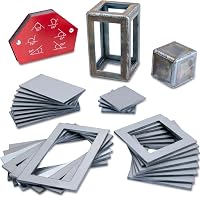
The Hugbow coupon set contains mild steel pieces, so it is useful for basic welding practice but does not simulate aluminum. Use it to learn clamping, starting and stopping, and bead control on steel, then get suitable aluminum scrap for aluminum-specific practice.
Set up scrap on a stable surface and clamp it before striking an arc. Practice short beads first, then move to simple butt or lap joints only after you can keep the work aligned.
What mistakes make aluminum welds harder?
Dirty metal, a mismatched setup, and excessive heat are common causes of poor results. Check the joint and equipment before changing technique.
- Skipping oxide removal: clean the weld area shortly before welding.
- Using steel-only wire-feed parts: confirm that the machine supports aluminum wire.
- Practicing on unrelated material: use scrap that matches the job's alloy and thickness.
- Moving too slowly: aluminum conducts heat quickly, so excess heat can distort or burn through thin work.
- Welding without a secure fit-up: clamp the pieces to limit gaps and movement.
If you see porosity, cracking, or a weak joint, don't rely on appearance alone. Stop, review the material and process guidance, and get qualified help for any part where failure could cause injury or damage.
Does a soldering iron weld aluminum?
A soldering iron does not make a structural fusion weld between aluminum pieces. Soldering joins materials with a lower-melting filler and is a different process from welding.
The Q-MING Soldering Iron Kit is made for small electronics and repair work, not structural aluminum welding. Its digital temperature display and included accessories suit soldering tasks where that tool type is appropriate.
Don't use a soldering iron as a substitute for a welder when a load-bearing or durable metal joint is required. Choose a process designed for the material and application.
How do you choose a first aluminum welding setup?
Choose TIG when control on thin material is your main need, and consider MIG when you need longer seams and can confirm an aluminum-ready wire-feed setup. In either case, match the process to the alloy and use clean, similar scrap to practice.
For general equipment practice, the Hugbow coupons are mild steel, while the BILT HARD machine's described modes need an aluminum compatibility check before MIG use. The Q-MING kit is for soldering small electronics, not welding aluminum.
Once you know the process, follow its manual and the material guidance for settings and filler. Start with noncritical practice pieces, and get qualified help before welding a part whose failure could hurt someone.
Frequently asked questions
Can you weld aluminum to aluminum?
Yes, you can weld aluminum to aluminum when both pieces are weldable alloys, clean, and joined with a process and filler suited to the material. Identify the alloy if possible, remove surface contamination, and practice on matching scrap.
Some aluminum alloys are difficult or unsuitable to weld, so check material guidance before starting.
Can you weld on aluminum with a regular MIG welder?
A regular MIG welder may not feed aluminum wire reliably with a standard steel setup. Aluminum wire is softer, so the wire-feed system, liner, drive rolls, gun, shielding gas, and settings must suit aluminum.
Check the machine manual and use an aluminum-specific setup; flux-core wire intended for steel is not a substitute.
What is the best aluminum to weld for a beginner?
Known, clean, weldable aluminum sheet or plate is a better practice choice than unidentified scrap. Alloy and temper affect weldability, so check the material designation when possible and follow filler guidance from a trusted welding reference.
Avoid coated, painted, oily, or mixed scrap until you understand how to prepare it safely.
Is TIG or MIG easier for welding aluminum?
Neither process is easiest for every job. TIG offers close control for thinner pieces and short welds, but asks you to coordinate more actions.
MIG can move faster on longer seams, but aluminum needs compatible wire-feeding parts and settings.
Choose by material thickness, joint shape, available equipment, and the machine manual.