What Byproducts Does the Welding Process Produce?
Welding can produce fumes, gases, slag, and spatter. The byproducts depend on the process, base metal, filler, coatings, and work conditions.
On this page (7 sections)
A welding process can produce fumes, gases, slag, and spatter. The exact byproducts depend on the welding method, base metal, filler, coatings, and work conditions.
For oxyfuel work, compare welding flame types.
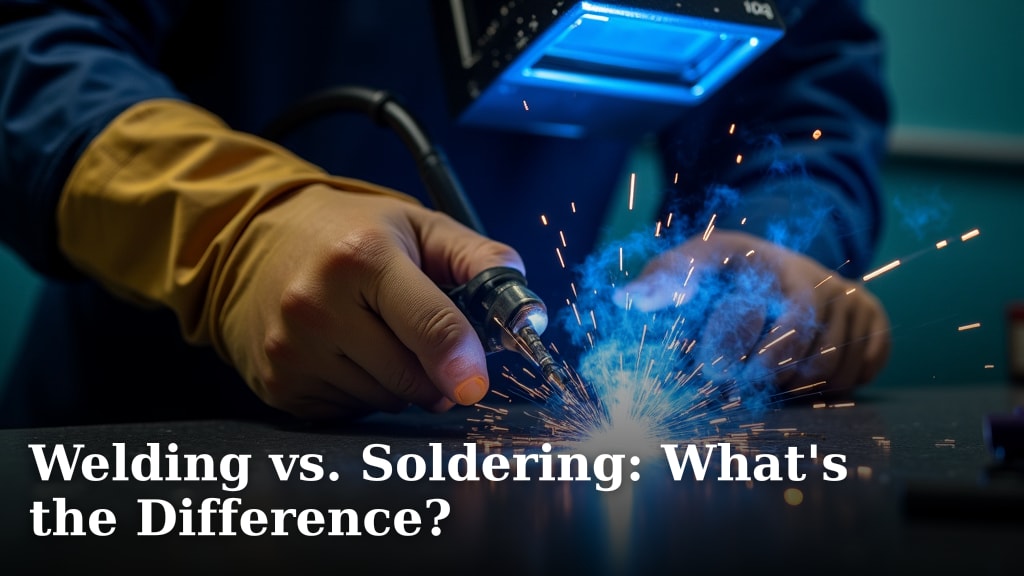
Fumes are fine particles formed as heated material vapor cools. Gases may come from shielding systems or from heated contaminants, while slag and spatter are solid residues left around the weld.
What byproducts can a welding process produce?
The main welding byproducts are fumes, gases, slag, and spatter. A particular job may produce some or all of them, depending on its process and materials.
- Fumes: tiny airborne particles created when metal or other material vaporizes and cools.
- Gases: shielding gases, plus gases that can form when heat interacts with coatings, oils, or other contaminants.
- Slag: a solid layer formed by flux during certain processes.
- Spatter: small droplets of molten metal that land near the weld.
These residues don't tell the whole story. Surface coatings, cleaning products, and nearby work can affect what enters the air, so identify the materials before welding.
How do welding fumes form?
Welding fumes form when intense heat vaporizes metal or other material, which then cools into fine particles. The particles can stay airborne around the weld and travel with the plume.
The source may include the base metal, filler, flux, coatings, or residue on the workpiece. Fume composition changes with those materials, so don't assume that two welds with the same process create identical fumes.
Keep your head out of the plume and capture fumes close to the source with suitable local exhaust ventilation. OSHA's welding, cutting, and brazing guidance covers workplace hazards and control measures.
Do different welding methods create different fumes?
Yes. The method changes the heat source, filler, and shielding, so it can change the fumes and residues produced.
The workpiece's coating and cleanliness also matter.
For example, flux core wire contains flux that supports the welding process, and flux processes can create slag. Comparing MIG and TIG welding differences can help explain how process choices change the work, but it doesn't replace checking the materials and safety information.
For MIG torch direction, see push vs pull MIG welding.
To learn about one TIG arc-start method, see lift TIG welding.
Forney describes this wire as suitable for single-pass work and windy outdoor conditions. Flux core still produces fumes and slag, so plan ventilation and weld cleanup.
Which gases can come from welding?
Welding can release shielding gases and gases formed when heat affects contaminants or materials. The gases present depend on the process and what is near the arc.
Some methods use shielding gas to protect the weld area. Flux core wire can be self-shielded, while other setups may use shielding gas.
For a closer comparison of the two wire-feed processes, see flux core vs MIG welding.
Coatings, oil, paint, and cleaning residues can also break down under heat, so clean the workpiece according to an appropriate procedure before welding.
Don't rely on smell to identify a gas or judge exposure. Use the process guidance, material safety information, and workplace controls for the actual job.
What are slag and spatter?
Slag is solid residue from flux, while spatter is molten metal that lands outside the weld. Their amount and cleanup needs vary by process, consumable, settings, and technique.
Flux processes leave a slag layer that generally needs to be chipped or brushed away between passes or after welding. Spatter can stick to surrounding metal and equipment, adding cleanup time.
VASTOOLS describes this hammer as having a spring handle designed to absorb contact shock. Wear eye protection when chipping, since small pieces can fly.
Is every welding method likely to leave slag?
No. Slag is associated with flux, so methods without flux generally don't leave the same slag layer.
A process can still create fumes or spatter without producing slag.
This is one practical difference when choosing a method. Compare welding vs. brazing and welding vs. soldering to understand how the joining methods differ; the right choice depends on the materials, joint, and job requirements.
How can you reduce welding byproducts and exposure?
Identify the materials, clean the work appropriately, and use ventilation that captures fumes near the source. Keep your breathing zone out of the plume and follow the relevant safety procedures.
Before welding, check what the base metal, filler, coatings, and residues are. Use local exhaust ventilation when practical, and don't weld on unknown coatings or contaminated surfaces without first determining how to handle them safely.
Respiratory protection may be needed if ventilation cannot adequately control exposure. Select and use it under the applicable workplace program and safety guidance, rather than relying on a disposable mask without assessing the hazard.
A cleaner process can reduce some cleanup, but no welding process is free of all byproducts. If you are still choosing a method, start with how to choose the best welding type for your project, then consider the easiest welding process to learn for your experience level.
What supplies help with flux core cleanup?
A chipping hammer and brush can help remove slag after flux core welding. Forney's wire is self-shielded flux core wire for mild steel, and its flux process can leave residue that needs cleanup.
Use the hammer carefully and wear eye protection. Avoid striking it against another tool or a hard object, since the head may chip or break.
For cast iron, the wire choice and welding procedure need careful thought. See whether flux core wire can be used for cast iron before selecting a consumable.
What should you remember about welding byproducts?
Expect fumes and gases to need exposure controls, and expect flux processes to leave slag for cleanup. Spatter may also occur, but its amount varies with the process and conditions.
Choose a welding method based on the joint and materials, then identify the likely fumes and residues before starting. For stainless steel, review how to weld stainless steel and take material-specific precautions.
Frequently asked questions
What are the main byproducts of welding?
Common welding byproducts include fumes, gases, slag, and spatter. Fumes form when hot metal vapor cools into fine particles, while shielding gases and gases from heat or surface contamination can enter the air.
Slag and spatter are solid residues that depend on the process and materials.
Does every welding process produce slag?
No. Flux processes such as stick and flux core welding leave slag that must be removed, while processes such as TIG generally do not create a slag layer.
Processes can still produce fumes, gases, or spatter, depending on the metal, filler, surface condition, and settings.
Why does welding produce fumes?
The welding arc heats metal, filler, coatings, and nearby residue to high temperatures. Some material vaporizes, then cools into tiny airborne particles called fumes.
Their makeup varies with the materials and surface contaminants, so identify what is being welded and use suitable ventilation.
How can welders reduce exposure to welding fumes?
Use local exhaust ventilation to capture fumes near their source, keep your head out of the plume, and follow the safety data and workplace procedures for the materials involved. Respiratory protection may be needed when ventilation alone cannot control exposure; choose and use it under a proper program.