What Is Welding Wire Made Of? The Basics
On this page (8 sections)
Welding wire is primarily made of metal, often steel, aluminum, or stainless steel. The specific metal depends on the type of welding and the materials being joined. Additional elements are added to enhance its strength, conductivity, and ability to create a strong bond. Think of it as the special glue for metal.
You’ll find various types of welding wire, each designed for a particular job. Some contain deoxidizers to clean the weld pool. Others have alloying elements for added strength or corrosion resistance. Understanding what’s inside helps you choose the right wire for your project.
- Welding wire is mainly metal like steel or aluminum.
- Additives improve its performance.
- Different wires suit different jobs.
- The composition affects the weld quality.
Ready to learn what makes each type of wire tick? Let’s break down the basic ingredients you’ll find in common welding wires.
Understanding Welding Wire Composition: What’s Inside?
Welding wire seems simple, but it’s a carefully crafted blend of metals and other elements. The right mix makes your welds strong and reliable. We’re going to break down the main ingredients you’ll find in common welding wires. Our guide to what is arc welding explains the different types.
The Metal Backbone: Core Components
At its heart, welding wire is metal. This metal forms the base of the wire and will become part of your final weld. Different metals are used depending on the application and the metals you are trying to join.
Steel Wires: The Workhorses
Steel is the most common material for welding wire. It’s strong, affordable, and versatile. Steel wires are often used for joining carbon steel parts. Think of car frames, construction beams, or general fabrication projects.
Mild Steel Wires
These are the most basic steel wires. They typically contain iron and a small amount of carbon. They are great for general-purpose welding. You’ll find them used in many everyday repair and fabrication jobs.
Stainless Steel Wires
Stainless steel wires have chromium and nickel added to the iron. These elements make the wire resistant to rust and corrosion. They are perfect for welding kitchen equipment, medical devices, or anything exposed to harsh environments.
Aluminum Wires: Lightweight and Strong
Aluminum wires are made from aluminum alloys. They are much lighter than steel but still offer good strength. These are used for welding aluminum car parts, boat hulls, or bicycle frames. Aluminum welding can be tricky, but the right wire makes it possible.
Other Metal Wires: Specialized Needs
You might also find wires made from copper alloys or nickel alloys. These are for very specific applications. For instance, copper alloys can be used for joining dissimilar metals. Nickel alloys are often chosen for their high-temperature strength or corrosion resistance.
The Supporting Cast: Additives and Their Roles
Pure metal wire often isn’t enough. Welders add other elements to welding wire for specific reasons. These additives improve how the wire performs during welding and how strong the final weld is. Many experts call these “deoxidizers” or “alloying elements.”
Deoxidizers: Keeping the Weld Pool Clean
When metal gets hot, it can react with oxygen in the air. This can create impurities in your weld, making it weaker. Deoxidizers are elements that react with oxygen more readily than iron or steel. They “clean up” the molten weld pool.
Common Deoxidizers
You’ll often see manganese and silicon added to steel welding wires. They bond with oxygen to form oxides that float to the surface of the weld pool as welding slag. This slag can be easily removed later. These elements are key to getting a smooth, clean bead. We found that even small amounts make a big difference in weld quality.
Alloying Elements: Boosting Performance
Beyond cleaning, other elements are added to improve the weld’s properties. These are called alloying elements.
Strength Enhancers
Elements like molybdenum or vanadium can be added to steel wires. These help increase the strength and toughness of the welded joint. This is especially important for structural applications where the weld needs to bear significant loads.
Corrosion Resistance Boosters
For stainless steel wires, chromium and nickel are the primary alloying elements. The amount of chromium typically needs to be at least 10.5% to be considered stainless steel (American Iron and Steel Institute). Other elements like molybdenum can be added to further improve resistance to specific types of corrosion, like pitting.
Arc Stabilizers
Some additives can help stabilize the electric arc. A stable arc is easier to control and produces a more consistent weld. Elements like titanium or zirconium can sometimes be used for this purpose, though they are less common in basic wires.
Flux-Cored Wires: A Wire with Its Own Shield
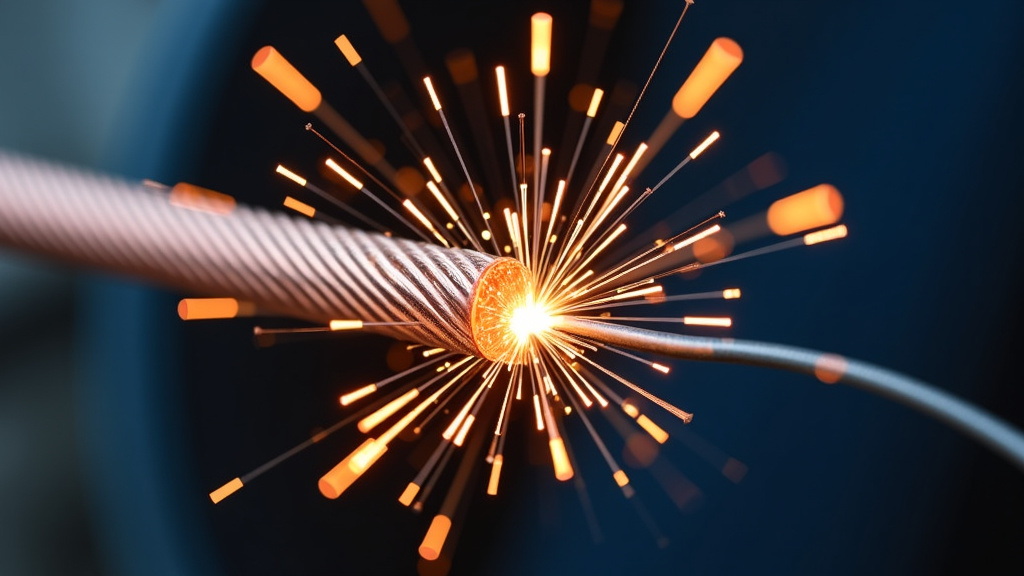
Some welding wires are not solid metal. They are “flux-cored.” This means the wire has a hollow center filled with flux. This flux serves several important purposes.
What Flux Does
The flux inside the wire melts as you weld. It creates a protective gas shield around the weld puddle. This shield prevents oxygen and nitrogen from the air from contaminating the weld. Many sources agree this is a major advantage for certain welding processes.
The flux also contains deoxidizers and alloying elements. It helps to clean the weld and add desired properties to the metal. Think of it as a miniature welding assistant built right into the wire. This makes them great for outdoor welding where wind can blow away gas shields.
Solid Wires: Clean and Precise
Solid wires are just that – solid metal. They don’t have a flux core. For these wires, the shielding comes from an external gas supply (like in MIG welding) or from a flux coating (like in some Stick welding electrodes, though those aren’t technically “wire” in the same sense).
Solid wires generally produce cleaner welds with less slag to remove. They are often preferred when appearance is important. They also tend to require more precise settings and a controlled environment for the best results. You’ll often find them used in manufacturing and automated welding.
Choosing the Right Wire: A Quick Checklist
Deciding on the best welding wire for your project depends on a few factors. Here’s a quick rundown to help you think it through:
- What type of metal are you welding?
- What is the required strength of the finished weld?
- Will the weld be exposed to corrosion or high temperatures?
- Do you need a weld with a very clean appearance?
- What welding process will you be using (MIG, TIG, Stick)?
- Is your welding environment windy or outdoors?
Conclusion
You’ve learned that welding wire is more than just metal; it’s a carefully chosen combination of base metals and performance-boosting additives. Understanding these components – from the steel and aluminum backbone to deoxidizers like manganese and silicon, and alloying elements for strength or corrosion resistance – is key. Whether you’re using solid or flux-cored wire, the right composition ensures a strong, reliable weld for your project. Your next step is to look at your project’s needs, consider the metal you’re joining, and select the wire that best fits the job for a successful outcome.
Frequently Asked Questions
Does the type of metal welding wire matter for different projects?
Yes, absolutely. Welding wire composition is tailored to the base metal you’re joining. Steel wires are common for steel projects, while aluminum wires are specifically for aluminum. Using the wrong wire can lead to weak or failed welds.
What’s the difference between solid wire and flux-cored wire?
Solid wire is just metal and relies on external shielding gas. Flux-cored wire has flux inside its core, which creates its own shielding gas and adds cleaning/alloying agents to the weld. Flux-cored is often better for outdoor or windy conditions.
Why are deoxidizers added to welding wire?
Deoxidizers, like silicon and manganese, are added to react with oxygen. This prevents impurities from entering the molten weld pool. They help create a cleaner, stronger weld by removing unwanted elements.
Can welding wire be made of materials other than steel or aluminum?
Yes, while less common for everyday projects, welding wires can be made from copper or nickel alloys. These specialized wires are used for joining specific dissimilar metals or for applications requiring high-temperature strength or unique corrosion resistance.
How do alloying elements change welding wire?
Alloying elements are added to give the final weld specific properties. For instance, chromium and nickel make steel stainless and resistant to rust. Others, like molybdenum, can increase weld strength or toughness for demanding jobs.