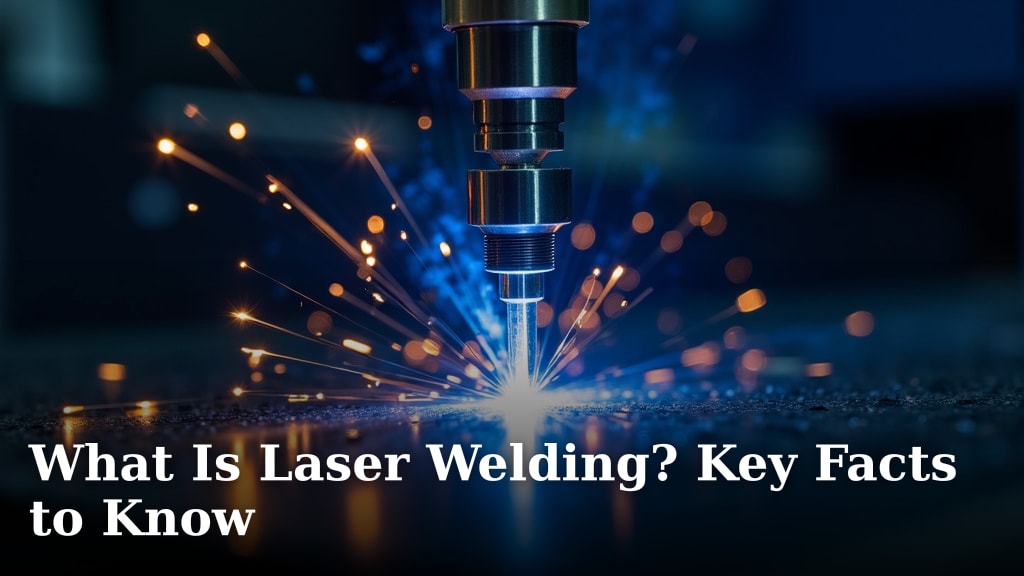
What Is Laser Welding? Key Facts to Know
Understanding Laser Welding: A Clear Overview
Laser welding is a process that uses a concentrated beam of light to join materials together. Think of it as using a super-powerful, super-precise pencil of heat. Instead of a flame or an electrical arc, it’s pure light energy doing the work. This method is known for creating strong, clean joints on both tiny and large-scale parts.
How the Laser Welding Process Works
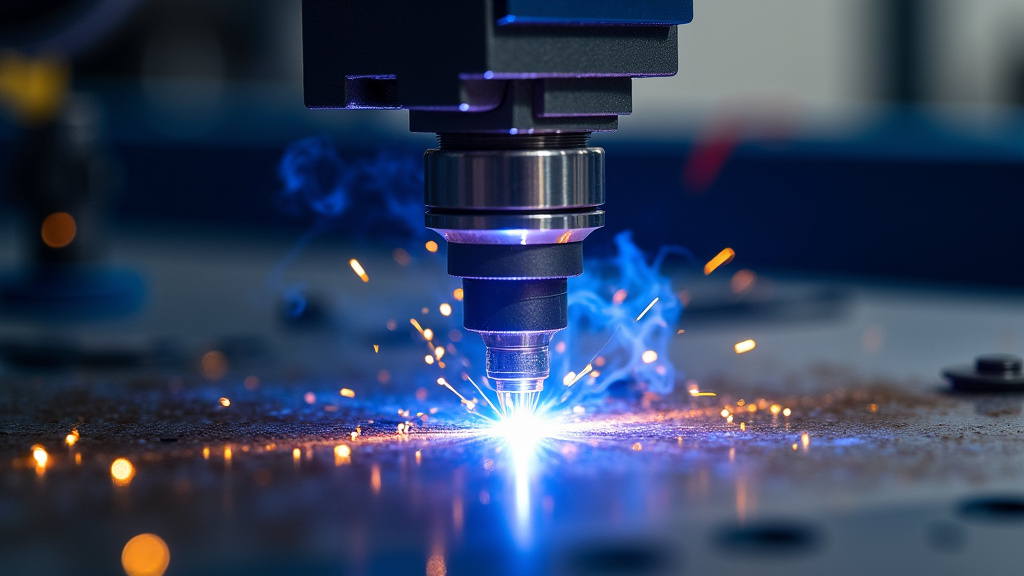
It starts with a laser source, which generates a focused beam. This beam is directed onto the surfaces of the materials you want to join. The intense energy melts the metal along a very narrow path. As the beam moves, the molten material fuses together and then solidifies almost instantly.
The Key Steps in the Process
The entire operation follows a straightforward sequence.
- Preparation: The parts must be clean and positioned correctly.
- Focusing: The laser beam is focused onto a tiny spot.
- Melting: The material heats up and forms a molten pool.
- Fusion: The molten metals combine as the beam advances.
- Solidification: The joint cools and hardens very quickly.
Different Types of Laser Welding
Not all laser welds look the same. The technique often depends on the power of the laser and how it’s applied. You’ll generally encounter two main approaches in shops and factories.
Conduction Welding
This method uses lower power density. The laser heats the material surface, and the heat spreads inward to create a melt pool. It produces a wide, shallow weld. You might see this used for delicate parts where you don’t want deep penetration.
Keyhole Welding
Here, high power density vaporizes a small hole, or “keyhole,” in the metal. This allows the laser’s energy to go much deeper into the material. It creates a deep, narrow weld seam with great strength. This is the go-to for structural applications.
Common Materials and Industries That Use It
You might be surprised where laser welding shows up. It’s not just for huge car factories. We found its precision makes it perfect for both massive projects and tiny, detailed work.
Materials That Take a Laser Weld Well
This process works best on metals and some plastics. The most commonly welded materials include:
- Stainless steel: A favorite for food processing and medical tools.
- Aluminum: Used in automotive and aerospace parts.
- Titanium: Critical for medical implants and aircraft components.
- Carbon steel: Found in construction and heavy machinery.
Industries That Rely on This Technology
Many sectors have adopted laser welding for its unique benefits.
- Automotive: For building battery packs in electric cars and strengthening body frames. For comparison, our guide to spot welding explains another method commonly used for similar automotive applications.
- Aerospace: Where every gram and every joint must be perfect.
- Medical Device Manufacturing: For assembling surgical tools and implants.
- Electronics: Welding tiny battery contacts and sensor components.
Key Advantages Over Traditional Welding
So, why choose a laser over a traditional torch? The benefits are hard to ignore, especially when quality and speed matter.
First and foremost, it’s incredibly precise. The small heat zone means less warping of the part. It also produces a very clean weld that often requires no finishing work. Second, the speed is impressive. Once set up, the process is fast, making it efficient for production lines.
Limitations to Consider
No process is perfect. It’s important to be realistic. The equipment has a high initial cost. Also, the parts must fit together very tightly because there’s no room for large gaps. For very thick metals, traditional methods might still be more practical.
Laser Welding vs. Traditional Methods
To really understand its place, it helps to compare it side-by-side with older techniques. Here’s how it stacks up against a common method like MIG welding.
| Feature | Laser Welding | Traditional MIG Welding |
|---|---|---|
| Heat Input | Very low, localized | Higher, spread over larger area |
| Precision | Extremely high | Moderate |
| Weld Appearance | Clean, minimal spatter | Often needs cleanup |
| Material Thickness | Best for thin to medium | Good for a wide range |
| Initial Setup Cost | High | Moderate |
The Critical Safety Considerations
Working with powerful lasers requires serious respect. The primary hazard isn’t just heat—it’s the light itself. Direct or reflected laser beams can cause permanent eye and skin damage.
Proper safety gear is non-negotiable. This includes special goggles that block the specific wavelength of the laser. Facilities must have interlocked doors and enclosures to keep the beam contained. According to guidelines from the American Welding Society, comprehensive training on laser safety is essential for anyone in the area.
Key Facts About Laser Welding at a Glance
Let’s recap the most important points you should remember.
- It’s a high-precision fusion process using a focused light beam.
- The two main types are conduction welding and keyhole welding.
- It excels with thin metals and complex assemblies.
- Industries from automotive to medical use it daily.
- The major advantages are precision, speed, and low heat distortion.
- Strict safety protocols are required due to invisible laser radiation.
Is Laser Welding the Right Choice for Your Project?
You might be wondering if this high-tech method is overkill for your needs. It’s a fair question. We found that the decision often comes down to three main factors.
First, consider the material thickness. For very thick plates, other methods might be more economical. Second, think about production volume. The high setup cost is justified in high-volume manufacturing. Third, evaluate the required tolerance. If your parts need to be perfect with no distortion, laser welding is a strong contender.
A Simple Checklist for Evaluating Laser Welding
Use these questions to see if it might fit your application.
- Are you working with thin metal components (under 0.25 inches)?
- Is minimal heat warping critical to the part’s function?
- Does the joint require a very clean, smooth finish with no cleanup?
- Are you producing parts in large quantities where speed matters?
- Is the joint geometry complex and hard to reach with a torch?
If you answered yes to several of these, it’s worth exploring further. Consulting with a fabrication expert who has laser capabilities can give you a clear answer for your specific situation.
Conclusion
Laser welding is a powerful tool, but it isn’t a magic fix for every job. You’ve seen how its precision and speed shine with thin metals and complex parts, especially in demanding industries. We found its high setup cost and need for perfect fitment are real trade-offs against its benefits. It’s most valuable when quality and minimal distortion are non-negotiable.
The next step is simple: compare your project’s needs to the checklist in this article. If several points match, your best move is to consult with a metal fabrication shop that has laser welding experience. They can give you a clear, practical answer for your specific situation.
Frequently Asked Questions
How much does laser welding equipment cost?
The cost for a professional laser welding system can range from tens of thousands to over a million dollars. The price depends on the laser’s power, brand, and included automation. This high initial investment is why it’s often found in specialized shops and large manufacturers.
Is laser welding safe for the operator?
Yes, but only with strict safety protocols. The primary hazard is invisible laser radiation that can cause severe eye or skin injury. Operators must wear specific protective eyewear, and the equipment is housed in interlocked enclosures to contain the beam completely.
Can I do laser welding at home as a hobbyist?
This is extremely difficult and not recommended. The required safety equipment, controlled environment, and high cost make it impractical for home use. Hobbyists typically stick to safer methods like TIG or MIG welding for personal projects.
What materials can you NOT laser weld?
It’s not ideal for very thick sections of metal, as other methods are more efficient. Some highly reflective materials like pure copper or certain aluminum alloys can also be challenging. Very thick plastics are generally welded with different technologies.
Is the process fully automated?
It can be, but not always. Many production lines use robotic arms for consistent, repeatable welds. However, manual laser welders also exist for smaller jobs, custom work, or repairs where a skilled technician guides the beam.