Water Cooled TIG Welders: When Do You Need One?
Choose a water cooled TIG welder when long, high-current work makes torch heat a problem. For shorter welds, lower current or frequent breaks, an air cooled torch is usually simpler.
On this page (7 sections)
- When does a water cooled TIG welder make sense?
- When is an air cooled TIG torch enough?
- What changes when you add a water cooler?
- How should you decide between water and air cooling?
- Which gear helps with a water cooled TIG setup?
- What should you check before buying a water cooled TIG torch?
- Is a water cooled TIG welder worth it for your work?
A water cooled TIG welder setup is worth considering when long, high-current welds make an air cooled torch uncomfortably hot. Water carries heat away from the torch, but the cooler, hoses and maintenance add cost and setup.
For short welds, light repairs and practice sessions with breaks, an air cooled torch is usually the simpler choice. The right decision depends on how long you weld at a time, the current you use and the torch's rated duty cycle.
If you need a quick explanation of the process first, read What Is a TIG Welder? A Practical Answer.
When does a water cooled TIG welder make sense?
Choose water cooling when your torch needs to stay cooler through sustained work. It can be a practical fit for long seams, repeated passes or higher-current jobs where an air cooled torch would heat up quickly.
The torch is the part that benefits from the cooling loop. A water cooled setup circulates coolant through the torch and back to a cooler, which removes heat during welding.
Consider the work pattern, not just the machine's maximum amperage. A high-output welder used for short beads may not need water cooling, while frequent long passes can make torch heat a concern even when you are not welding at maximum output.
You may also value a smaller, lighter torch in your hand for extended work. Compare the actual torch options and their ratings, since torch size and capacity vary.
Look at water cooling when you can describe the heat problem it solves. If you only expect occasional tack welds or brief repair beads, the extra equipment may sit unused.
When is an air cooled TIG torch enough?
An air cooled torch is often enough for short, intermittent jobs with breaks between welds. It avoids a separate cooler and coolant loop, which keeps setup and transport simpler.
Small repairs, hobby projects and practice sessions often involve short welds rather than long continuous passes. If your work has natural pauses, the torch can shed heat between welds.
That does not mean every air cooled torch handles every current or duty cycle. Check its rating against the machine settings and the work you plan to do, and follow the torch maker's instructions.
For a beginner comparing machines, our best TIG welder for beginners guide can help narrow the machine choice. The cooling decision still comes down to your expected torch heat and work length.
What changes when you add a water cooler?
A water cooled setup adds a cooler, hoses, connections and coolant care to the welding station. Plan for that equipment before choosing a torch.
A complete setup needs compatible connections between the machine, torch and cooler. Check the equipment manuals for the correct fittings, coolant and operating instructions.
The cooler also needs a stable location near the work area. Allow room for the unit, route the hoses so they do not snag, and keep the setup accessible for inspection and maintenance.
A water cooled torch should not be treated as an air cooled torch with different hoses. Follow its operating requirements, including whether coolant flow must be active before welding.
Budget time for setup and upkeep, not only the initial purchase. A cooler can be worthwhile for sustained work, but it adds another piece of equipment to move and maintain.
How should you decide between water and air cooling?
Compare your current, weld length and duty cycle with the torch ratings and the setup you can support. A simple work log or a realistic estimate of your longest welds can make the choice clearer.
| Your work pattern | Starting point |
|---|---|
| Short repair beads with regular pauses | Air cooled torch |
| Occasional home projects | Air cooled torch, if its rating fits |
| Repeated long welds | Consider water cooling |
| Sustained higher-current work | Compare water cooled torch ratings and cooler requirements |
| Frequent transport between locations | Favor the simpler setup unless heat demands cooling |
These are starting points, not universal rules. The torch's rated capacity, welding current, duty cycle and maker instructions determine whether a setup is suitable.
If you are comparing machine features, see our best inverter TIG welders guide for inverter options. For a brand-focused comparison, read best Miller TIG welder.
What does duty cycle tell you?
Duty cycle describes how long a machine can weld within a set period at a stated output before it needs to cool. It is a machine rating, not a guarantee that every torch or accessory can handle the same workload.
Check both machine and torch ratings. A machine may support a particular current while the torch has a lower rating or needs a specific cooling arrangement.
Your actual welding pattern matters too. A long pass at a lower current creates a different heat load than repeated passes at a higher current, so compare the ratings for the settings you plan to use.
For pulse features to consider when comparing machines, see the best pulse TIG welders.
Which gear helps with a water cooled TIG setup?
The useful gear depends on the task: a compatible torch and consumables matter more than buying cooling equipment by default. Confirm compatibility with your machine and torch before ordering replacement parts.
A TIG consumables set can help when the torch needs replacement cups, collet bodies or back cups. The Alffun 17-piece kit includes those parts and lists compatibility with common 17 and 26 series air cooled torches and 18 series water cooled torches.
A machine with DC TIG and stick functions may suit garage repairs and home projects. The S7 200A TIG Welder supports 110V and 220V input and works with common TIG accessories, including ceramic cups and collets.
For another brand's TIG options, see the best Everlast TIG welders.
A multiprocess machine can be useful if MIG and stick are also part of your plans. Compare models in our guide to the best multiprocess welding machines.
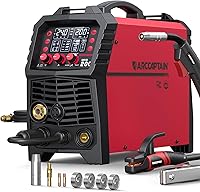
The YESWELDER 205A MIG Welder supports MIG, flux core MIG, spool gun MIG, lift TIG and stick; its lift TIG torch is an additional requirement.
These machines and accessories do not mean you need water cooling. Choose the cooling system separately based on the torch's rating and your work pattern.
If you are weighing a small multiprocess machine against a TIG focused setup, see our Forney 140 MP welder review for another example of a multiprocess format.
What should you check before buying a water cooled TIG torch?
Check compatibility, rated capacity and cooling requirements before buying. A torch that fits physically may still be wrong for your machine or intended current.
Use this checklist:
- Match the torch's current rating to the settings and duty cycle you expect to use.
- Confirm the machine connections and cooler connections fit the torch.
- Check the cooler's operating instructions, coolant type and maintenance needs.
- Verify whether the torch package includes the hoses and fittings you need.
- Consider hose length and cooler placement around your work area.
- Check consumable compatibility, including cups, collets and back cups.
Do not infer compatibility from a torch series number alone. Verify the exact model and connections in the maker's documentation.
If you already own an air cooled setup, note when the torch becomes too hot for comfortable work and how long each welding session lasts. That evidence can help you decide whether a cooling loop solves a real problem.
Is a water cooled TIG welder worth it for your work?
A water cooled TIG setup is worthwhile when long or higher-current jobs put sustained heat into the torch and you can support a cooler and its maintenance. It is usually unnecessary for brief, intermittent work with a correctly rated air cooled torch.
Pick air cooling for simple transport, short repairs and occasional practice, as long as the torch rating fits. Consider water cooling for repeated long passes, then confirm the machine, torch and cooler are compatible.
For a broader machine comparison, start with our best inverter TIG welders guide and match the torch setup to the work you actually plan to do. If AC/DC and pulse features matter, compare the best AC/DC pulse TIG welders.
Frequently asked questions
When do you need a water cooled TIG torch?
A water cooled TIG torch makes sense when long welds or repeated high-current work keep an air cooled torch hot. The cooling system adds setup and maintenance, so compare the torch duty cycle, expected current and break pattern before choosing.
For brief or intermittent work, an air cooled torch is often easier to manage.
Can you use a water cooled TIG torch without a cooler?
A water cooled torch needs a compatible cooling setup to carry heat away during welding. Do not operate it dry unless its manufacturer explicitly permits that use.
Check the torch and cooler requirements, connections and coolant guidance before setup.
Is a water cooled TIG welder better for beginners?
Not automatically. Water cooling can reduce torch heat during sustained work, but it adds a cooler, hoses and setup steps.
A beginner doing short practice beads or occasional repairs may find an air cooled torch simpler.
Match the equipment to the work you expect to do.
Does water cooling make a TIG welder more powerful?
No. Water cooling manages heat in the torch; it does not raise the welding machine's output.
Choose a machine based on the process, materials and current you need, then choose a compatible torch and cooling arrangement for the length and intensity of your work.
What should you check before buying a water cooled TIG setup?
Check the torch's current rating and duty cycle, the machine's compatible connections, cooler capacity, hose length and coolant instructions. Also plan where the cooler will sit and how you'll maintain it.
A water cooled torch is useful only when the full setup matches your machine and work.