What Is a Welding Gun? The Facts to Know
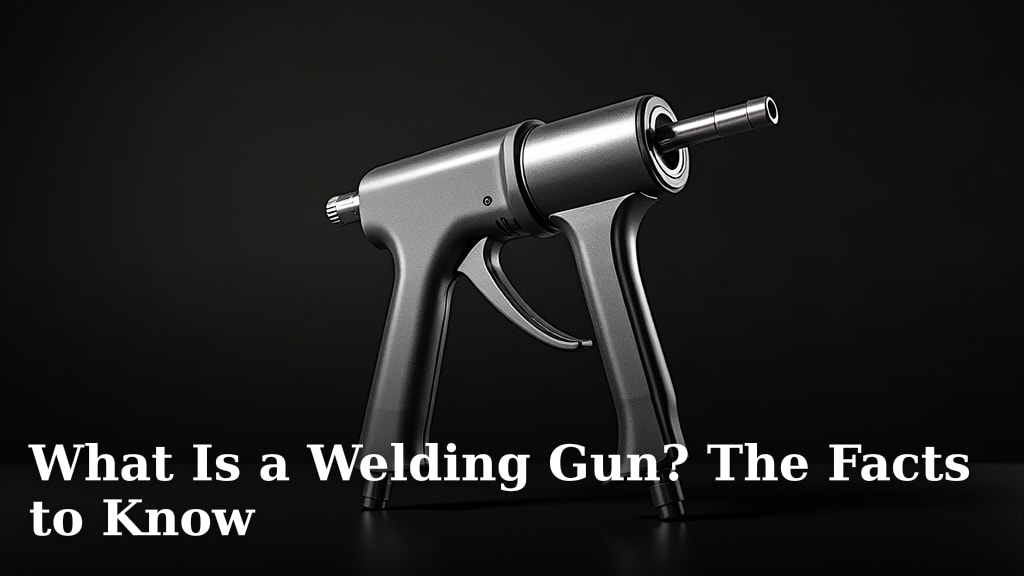
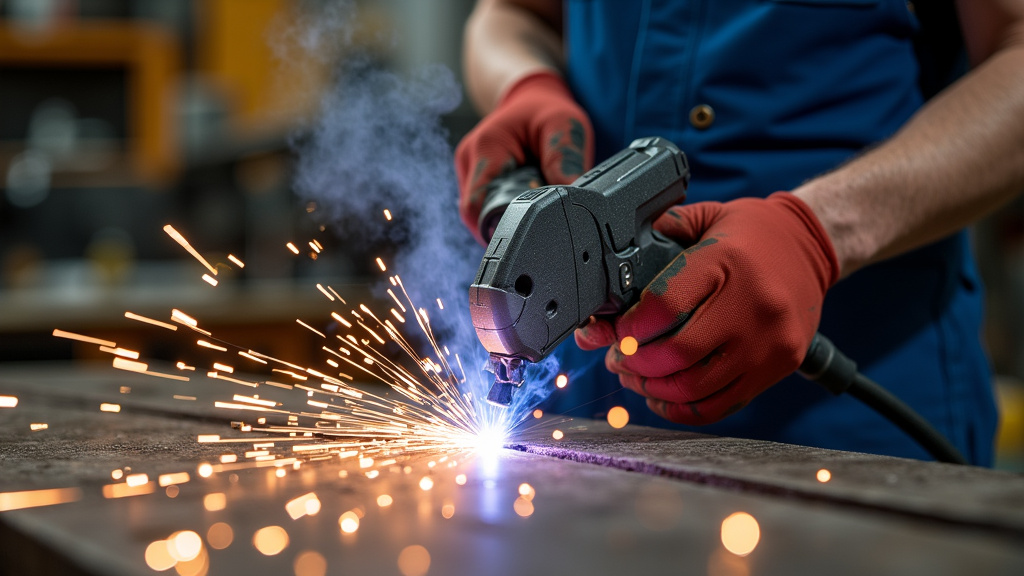
A welding gun is a handheld tool used to deliver welding wire and electrical current to the workpiece. It’s an essential part of many welding processes, especially MIG welding. Think of it as the conductor of your welding orchestra, making sure everything happens smoothly.
It’s more than just a trigger and a nozzle; the gun controls the flow of shielding gas and guides the wire precisely. Without the right welding gun, achieving a clean and strong weld becomes much harder. We found that understanding its parts helps immensely.
- A welding gun delivers wire and electricity.
- It’s key for MIG welding success.
- Shielding gas flow is controlled by the gun.
- Proper use leads to stronger welds.
- Knowing your gun makes you a better welder.
Below, we’ll walk you through what a welding gun is and the key facts you should know before you pick one up.
Understanding Your Welding Gun
A welding gun, often called a welding torch, is your primary connection to the weld itself. It’s the tool you’ll be holding. Its job is to feed welding wire and send electricity to your workpiece. It also controls the flow of shielding gas. This gas protects the molten metal from the air. Without it, your weld can become weak and porous.
Think of it like a specialized spray painter. Instead of paint, it’s delivering molten metal. Instead of air, it’s delivering a protective gas. Many welders find that a comfortable, well-designed gun makes a huge difference. We’ve found that understanding its different parts helps you get the best results.
The Main Components of a Welding Gun
When you look at a welding gun, you’ll see several key parts. Each one plays a vital role in the welding process. Knowing these components helps you understand how the gun works and how to maintain it.
The Trigger
This is usually the first thing you’ll interact with. Pulling the trigger starts the welding process. It sends a signal to the welding machine. This signal begins the wire feed and turns on the electricity. It also usually starts the flow of shielding gas. Releasing the trigger stops all these actions. Some guns have two-stage triggers for more control.
The Neck and Insulator
The neck is the part that bends or extends from the gun body. It allows you to reach different angles and tight spots. The insulator is critical here. It prevents electricity from arcing to your hand. This is a safety feature you absolutely don’t want to compromise.
The Gooseneck or Swivel
This is the flexible part of the gun neck. It lets you maneuver the gun easily. A good swivel reduces fatigue. It allows you to get into awkward positions without straining. Many welders look for a gun with a smooth-swiveling gooseneck.
The Contact Tip
This is where the magic happens. The contact tip is a small, replaceable piece of copper or brass. It sits at the very end of the gun. The welding wire passes through it. It also transfers the electrical current from the welding machine to the wire. It’s important to keep this tip clean and in good condition. A worn or dirty tip can cause poor wire feeding and bad welds. Many experts recommend replacing them often (Lincoln Electric).
The Nozzle
The nozzle surrounds the contact tip. Its main job is to direct the shielding gas. It spreads the gas evenly around the weld puddle. This ensures proper protection from atmospheric contamination. Nozzles come in various shapes and sizes. Some are better for certain applications than others. A common type is the conical nozzle.
The Liner
Inside the gun cable, there’s a liner. It’s usually made of flexible metal. The welding wire travels through this liner from the drive motor to the contact tip. A smooth, unobstructed liner is essential for consistent wire feeding. If the liner gets kinked or worn, you’ll experience feeding problems.
The Wire Feed System
While not part of the gun itself, the wire feed system is directly connected. It includes drive rollers and a motor. These push the welding wire through the cable and liner. The gun’s trigger activates this system.
Types of Welding Guns and Their Uses
Not all welding guns are the same. They are designed for specific welding processes and applications. Choosing the right type can significantly impact your welding quality and efficiency.
MIG Welding Guns
These are the most common type of welding gun you’ll encounter. MIG stands for Metal Inert Gas welding, also known as Gas Metal Arc Welding (GMAW). MIG guns are designed to feed a continuous wire electrode. They also deliver a shielding gas. These guns are popular for their ease of use and versatility. They can weld a wide range of metals, including steel, stainless steel, and aluminum. We found that MIG welding is often a good choice for beginners.
Standard MIG Guns
These are the workhorses. They are suitable for general-purpose welding. You’ll see them in home garages and small fabrication shops. They are built to withstand everyday use.
Water-Cooled MIG Guns
For high-amperage welding, the heat can be intense. Water-cooled guns have a system that circulates coolant. This prevents the gun from overheating. They are often used in industrial settings where welding is done for long periods at high power. These are more complex and expensive but offer superior durability under extreme conditions.
Robotic MIG Guns
These are designed for use with automated welding robots. They are built for precision and repetitive tasks. They often have a more streamlined design to fit robotic arms.
TIG Welding Torches
TIG stands for Tungsten Inert Gas welding, or Gas Tungsten Arc Welding (GTAW). While TIG welding also uses a shielding gas, the torch is different. It doesn’t feed wire through it. Instead, the TIG torch holds a non-consumable tungsten electrode. The welder manually feeds filler rod into the weld puddle. TIG torches provide a lot of control, leading to very clean and precise welds. Many professionals prefer TIG for its aesthetic results. It is often used for critical joints and exotic metals. You might hear them referred to as TIG torches rather than guns.
Plasma Cutting Torches
Plasma cutters use a high-temperature plasma stream to cut metal. The torch focuses this stream. It’s a different process than welding, but the torch has a similar handheld design. It’s important not to confuse a plasma cutting torch with a welding gun. They serve distinct purposes.
Key Considerations When Choosing a Welding Gun
Selecting the right welding gun is important for your comfort and the quality of your welds. Several factors should guide your decision. We’ve outlined some of the most critical ones.
Amperage Rating
This refers to the maximum amount of electrical current the gun can handle. You need a gun that matches or exceeds the amperage of your welding machine. Using a gun with too low an amperage rating can cause it to overheat and fail. Check the specifications of both your welder and the gun. Many standard MIG guns are rated for 200-400 amps. High-duty cycle guns can go much higher.
Duty Cycle
The duty cycle is the percentage of time a welding gun can operate continuously at a given amperage. For example, a gun with a 60% duty cycle at 300 amps can be used for 6 minutes out of every 10 minutes. If you plan on long, continuous welds, a higher duty cycle is essential. For occasional use, a lower duty cycle might be acceptable. We found that understanding your typical welding habits helps here.
Wire Diameter Compatibility
Welding guns are designed to work with specific wire diameters. The contact tip and liner must match the wire you intend to use. Common MIG wire sizes range from 0.023 inches to 0.045 inches for smaller machines. Larger industrial machines might use up to 1/8 inch wire. Always ensure your gun can handle your chosen wire size.
Cable Length
The length of the welding cable affects your reach and maneuverability. Longer cables offer more freedom to move around your workpiece. However, very long cables can sometimes lead to voltage drop, especially on lower-amperage machines. Standard lengths are often 10 or 15 feet. Many users find 12-15 feet to be a good balance.
Ergonomics and Comfort
You’ll be holding this tool for extended periods. A comfortable grip and balanced design are crucial. Many guns have rubberized grips and well-placed trigger buttons. Try to hold a gun before you buy it, if possible. We’ve found that a gun that feels good in your hand reduces fatigue and improves control.
Consumable Availability
Contact tips, nozzles, and liners are considered consumables. They wear out and need regular replacement. Make sure the gun you choose uses readily available and affordable consumables. You don’t want to be searching for obscure parts. Many common parts are interchangeable across different brands.
Here is a quick checklist to help you remember the key aspects of a welding gun:- Match the gun’s amperage rating to your welder.
- Consider the duty cycle for your welding needs.
- Ensure compatibility with your preferred wire diameter.
- Choose a cable length that allows for comfortable movement.
- Prioritize ergonomics for reduced fatigue.
- Confirm that replacement consumables are easily accessible.
Conclusion
You’ve learned that a welding gun is your direct link to creating strong welds. It’s more than just a trigger; it precisely controls wire feed, electrical current, and shielding gas. Understanding its components, like the contact tip and nozzle, helps you maintain it. Knowing the different types, especially MIG guns, allows you to choose the right tool for your job. Prioritizing factors like amperage rating, duty cycle, and ergonomics ensures comfort and quality. Now that you understand the essentials, take the next step by assessing your welding needs and selecting a gun that fits your projects perfectly.
Frequently Asked Questions
What is the difference between a welding gun and a TIG torch?
A welding gun, typically used for MIG welding, feeds wire and electricity through the gun itself. A TIG torch, on the other hand, holds a non-consumable tungsten electrode and does not feed wire. You manually add filler material to the weld puddle with a TIG torch.
How often should I replace the contact tip on my welding gun?
The contact tip should be checked regularly. You should replace it when it becomes visibly worn, misshapen, or if you notice consistent wire feeding issues. Many experts suggest replacing them proactively to maintain weld quality.
Can I use a welding gun designed for steel on aluminum?
Generally, yes, but you may need to change the contact tip and ensure your machine is set up correctly. Aluminum wire is softer and requires specific settings and potentially different contact tips than steel wire.
What does “duty cycle” mean for a welding gun?
Duty cycle indicates how long a gun can operate continuously within a 10-minute period at a specific amperage before needing to cool down. A higher duty cycle means the gun can handle longer welding tasks without overheating.
Why is the liner important in my welding gun?
The liner guides the welding wire from the drive motor to the contact tip. A smooth, unobstructed liner is essential for consistent wire feeding. If it gets kinked or worn, you’ll likely experience feeding problems and poor welds.