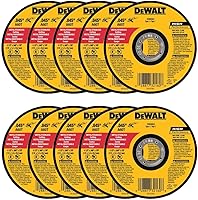
How to Use Flap Disc on Angle Grinder
Use a flap disc with the grinder guard and handle fitted, keep the disc at about a 5 to 15 degree angle, and use light passes. Let the abrasive do the work while you move steadily across the weld or surface.
On this page (11 sections)
- What should you check before using a flap disc?
- How do you mount a flap disc on an angle grinder?
- What angle should you use with a flap disc?
- How do you remove a weld with a flap disc?
- How do you blend a weld without gouging the base metal?
- Can a wire wheel replace a flap disc?
- How much pressure should you use?
- How do you finish the surface after grinding?
- What common mistakes should you avoid?
- How do you choose the right flap disc?
- How do you use a flap disc safely?
To learn how to use a flap disc on an angle grinder, fit the correct disc, secure the guard and handle, hold the disc at a shallow angle, and make light moving passes. Flap discs remove metal and smooth welds with overlapping abrasive flaps, but too much pressure or a steep angle can gouge the work.
A flap disc is useful for deburring, cleaning welds, rounding sharp edges, and preparing metal for paint. For a broader overview of grinder types and finishing work, see our angle grinder guide.
What should you check before using a flap disc?
Check the grinder, disc, guard, workpiece, and work area before switching on the tool. The disc must be the right size and type for the grinder, with no cracks, torn flaps, loose backing, or other visible damage.
Read the grinder and disc instructions for the maximum speed and mounting direction. The grinder's rated speed must not exceed the disc's maximum rated speed.
Fit the guard so it sits between you and the working part of the disc. Install the side handle, tighten the flange and nut correctly, and unplug the grinder while changing the disc.
Clamp the work securely. Remove paint, oil, loose scale, and other material that could catch the disc, and keep sparks away from fuel, sawdust, paper, and other flammable items.
How do you mount a flap disc on an angle grinder?
Unplug the grinder, place the flap disc on the spindle with the correct backing side facing the flange, and tighten the nut without over-tightening. The exact flange arrangement depends on the grinder and disc design, so follow the tool instructions.
Hold the spindle-lock button only while the tool is stopped. Make sure the disc seats flat against the flange and does not wobble when you rotate it by hand.
Install or adjust the guard before plugging in the grinder. Stand to one side during the first start and let the tool reach full speed before bringing the disc to the metal.
The best flap discs for angle grinders can help you compare disc types, grit choices, and common use cases before you buy.
What angle should you use with a flap disc?
Keep the disc at about 5 to 15 degrees to the surface for general grinding and finishing. This shallow angle lets the flaps contact the metal without driving the disc edge into the work.
Use a flatter position when you want a more even finish over a broad area. Use a slightly steeper angle only when you need controlled material removal, and keep the grinder moving so one spot does not heat or dig into the metal.
Avoid holding the disc flat against the work. A flap disc is not normally used like a sanding pad, and pressing the full face into the metal can make the tool harder to control.
The best angle changes slightly with the task. A weld cap may need a controlled first pass, while a wide surface benefits from lighter overlapping passes.
How do you remove a weld with a flap disc?
Remove the weld in stages instead of trying to flatten it in one heavy pass. Start on the high part of the bead, move along its length, and pause often to check how much metal remains.
Keep the disc moving in smooth strokes. Work from the bead toward the surrounding metal only after the high spots are reduced, and avoid lingering at the weld toes.
Use a coarser flap disc for faster stock removal and a finer disc for blending and surface cleanup. The best 4 1/2 flap discs for an angle grinder are useful to review when your grinder uses a common 4.5 in disc size.
The DEWALT DW758 8-Inch Bench Grinder has a cast iron base and motor housing, aluminum tool rests, rear exhaust ports, and 12-1/2 in between its wheels. It includes a 36 grit wheel, a 60 grit wheel, eye shields, spark deflectors, and tool rests.
Choose a bench grinder when you want the workpiece brought to a fixed tool rather than carrying a grinder across a large weld. It is corded electric and weighs 0.22 kg, so plan the bench location before use.
How do you blend a weld without gouging the base metal?
Use light pressure and overlapping passes that stop before the surrounding surface becomes low. The goal is a gradual transition, not a deep groove beside the weld.
Keep the disc moving along the weld and change the direction of your passes slightly as you blend. Stop to brush away dust and inspect the surface under good light.
Do not use the grinder to correct every small mark. A flap disc removes metal quickly, so switch to a finer abrasive when the weld shape is close to finished.
If the metal is aluminum, choose an abrasive intended for that material and prevent cross-contamination from steel dust. Our guide to the best flap discs for aluminum covers that choice.
Can a wire wheel replace a flap disc?
A wire wheel and a flap disc do different jobs. A flap disc removes and blends metal with abrasive flaps, while a wire wheel is better suited to brushing, rust removal, surface preparation, and cleaning residue.
A wire wheel can help clean a weld before or after grinding, but it usually will not remove a large weld cap as efficiently as a flap disc. Keep the workpiece secure because wire wheels can catch edges and throw loose wire.
The DeWalt Accessories DW4904 6" Crimp Wire Whl is made for metal and has balanced construction, an internal holding plate, and 14 grit material listed as medium. It is a single 6 in brush weighing 16 ounces.
Use it when brushing is more suitable than cutting metal away. It can help clean a weld or remove rust after the flap-disc work, but it is not a substitute for a flap disc when you need to reduce a bead.
The DEWALT Wire Wheel, Cable Twist, 4-Inch (DW4930) uses 4 in crimped wire and includes 1 brush per package. Its listed compatible materials are alloy steel and stainless steel, and its internal holding plate helps reduce knot movement.
Choose this smaller wire wheel for brushing and light surface work where its 4 in diameter suits the grinder setup. Check the arbor and maximum speed against your grinder before fitting it.
How much pressure should you use?
Use only enough pressure to keep the disc cutting smoothly. Heavy pressure can slow the grinder, load the abrasive, create excess heat, and make it harder to control the tool.
Let the disc's abrasive flaps contact the work instead of forcing the backing into the metal. If the grinder bogs down, lift the disc, let it recover, and use lighter passes.
Move across the surface at a steady pace. Short, overlapping strokes are easier to control around corners and weld toes than one long, forceful pass.
A flap disc also wears as you work. Recheck the contact shape and finish as the flaps become shorter, and replace the disc when it is damaged or no longer gives the result you need.
How do you finish the surface after grinding?
Finish with lighter passes and a finer abrasive than you used for the first material removal. Keep the grinder moving in a consistent pattern so the scratch direction is easier to blend.
Clean the surface between stages. Dust and loose abrasive can hide low spots, and leftover steel particles can cause problems when preparing aluminum or stainless steel.
Use a wire wheel only when brushing is the goal. For a different tool choice, compare the best cut-off wheels for angle grinders, but never use a cut-off wheel for side grinding or weld blending.
For tight areas, a die grinder rubber wheel may suit a different setup, but it does not change the need for eye protection, secure work, and controlled pressure.
What common mistakes should you avoid?
The main mistakes are using a damaged disc, removing the guard, pressing too hard, and holding the disc too steeply. Each one increases the chance of poor control or an uneven surface.
Do not use a flap disc that is cracked, torn, swollen, or missing flaps. Do not continue if the tool vibrates, the disc wobbles, or the backing does not seat correctly.
Do not grind near flammable materials or direct sparks toward people, vehicles, tanks, or finished surfaces. Allow hot metal and sparks to cool before handling the work.
Do not use a grinder one-handed for heavy work. Keep both hands on the tool and maintain a stable stance, with the cord positioned away from the disc.
If you prefer a cordless setup, our guide to the best Makita cordless angle grinders can help you compare that type of tool.
How do you choose the right flap disc?
Choose the disc size and speed rating first, then choose grit, abrasive type, and backing style for the job. Coarse grit removes material faster, while fine grit gives you more control during blending and finishing.
Use a coarse disc to reduce a large weld only when you can control the cut. Move to a finer disc before the surface reaches its final shape, because finer passes are easier to manage.
For aluminum and other soft metals, use a disc made for that material. For steel welds, choose a disc that matches the metal and the finish you want.
Keep your grinder's arbor, guard, disc diameter, and maximum speed within the manufacturer's limits. If you use DEWALT tools or accessories, our guide to the best DEWALT flap discs is a useful next comparison.
How do you use a flap disc safely?
Inspect the setup, keep the disc shallow, use light moving passes, and stop often to inspect the metal. That method gives you better control over weld removal and reduces the chance of gouging the base surface.
Pick a flap disc when you need controlled metal removal and weld blending. Use a wire wheel when you need brushing, rust removal, or surface preparation, and use a bench grinder when fixed-position work makes more sense.
Before starting, measure the task against the tool. If the disc, guard, arbor, speed rating, or material does not match, stop and choose a compatible setup.
Frequently asked questions
What angle should you hold a flap disc on an angle grinder?
Hold the flap disc at about 5 to 15 degrees to the work surface for surface finishing and weld blending. A flatter position uses more of the disc and can reduce gouging, while a steep edge angle removes material faster but needs more control.
Can you use a flap disc to remove welds?
Yes, a flap disc can remove excess weld metal and blend the remaining bead into the surrounding surface. Start with light passes, keep the disc moving, and stop often to check the shape so you don't cut into the base metal.
Should you push or pull an angle grinder with a flap disc?
Use the direction recommended by your grinder manual and keep firm control with both hands. Avoid forcing the disc into the work.
Let the abrasive contact the metal gradually while you guide the grinder across the surface.
What safety gear do you need for a flap disc?
Wear eye protection, hearing protection, gloves suited to the task, long sleeves, and suitable respiratory protection for the dust involved. Keep the grinder guard and side handle installed, inspect the disc, and remove ignition sources from the work area.