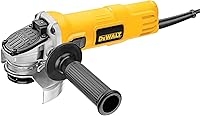
How to Use a DeWalt Angle Grinder
To use a DeWalt angle grinder, fit a wheel rated for the tool and the task, secure the work, and keep the guard in place. Wear eye and hearing protection, start the grinder clear of the work, and guide it with steady pressure.
On this page (9 sections)
- How do you set up a DeWalt angle grinder?
- What safety gear and work setup do you need?
- How do you choose a wheel for grinding or brushing?
- How do you hold and start the grinder?
- How do you grind metal without losing control?
- How do you use an angle grinder for wire brushing?
- What should you do after grinding?
- What mistakes should you avoid with a DeWalt grinder?
- How should you choose your next grinder or accessory?
To use a DeWalt angle grinder, fit a wheel rated for the tool and the task, secure the work, and keep the guard in place. Wear eye and hearing protection, start the grinder clear of the work, and guide it with steady pressure.
The safe setup matters as much as the grinding motion. Read the manual for your exact grinder and accessory, since switch style, wheel size, and allowed operations vary by model.
How do you set up a DeWalt angle grinder?
Set up the grinder by checking the tool, fitting the correct accessory, and securing the workpiece. Keep the unplugged tool or removed battery away from power while inspecting and changing accessories.
Check the grinder body, cord or battery, handle, guard, spindle, and switch for damage or looseness. Do not use a damaged tool or one with a guard that will not stay in position.
Match the accessory to the job: a grinding wheel removes material, a cut-off wheel cuts, and a wire wheel brushes a surface. Confirm the wheel diameter, arbor, and maximum speed are compatible with your specific grinder, and follow the wheel maker's mounting instructions.
Keep the guard attached and set it between you and the wheel. Install the side handle in the position that gives you a secure two-handed grip, if your model has one.
If you're comparing styles before choosing a tool, our angle grinder guide explains the common options and what each is used for.
What safety gear and work setup do you need?
Wear impact-rated eye protection, hearing protection, and suitable work clothing before switching on the grinder. Add a face shield over safety glasses when the task may throw sparks or debris; a face shield alone does not replace eye protection.
Tie back long hair, remove jewelry, and avoid loose sleeves or gloves that can catch in rotating parts. Use respiratory protection and ventilation appropriate to the material and dust; check material guidance before grinding coatings or unknown metals.
Clear flammable items from the spark path, and keep bystanders out of the work area. Sparks can travel farther than expected, so check behind and below the work as well.
Clamp the metal to a stable bench or support. Set your stance so you can hold the grinder with both hands and keep your body out of the wheel's plane.
How do you choose a wheel for grinding or brushing?
Choose the accessory by the operation and material, then check its fit and speed rating against the grinder. Never assume that every wheel that fits the spindle is suitable for every task.
Use a grinding wheel for grinding, a cut-off wheel for cutting, and a wire wheel for brushing rust or residue. A flap disc can handle grinding and blending; see how to use a flap disc on an angle grinder.
Do not use the side of a cut-off wheel for grinding; use each accessory only as its instructions allow.
A wire wheel can help with rust removal and surface preparation when the arbor and speed are compatible. The DeWalt Accessories DW4904 is a 6 in crimp wire wheel intended for metal, with a 5/8–1/2 arbor noted in its included components.
The DEWALT DW4930 cable-twist wire wheel is 4 in and lists alloy steel and stainless steel as compatible materials. Its instructions include a 5/8 in arbor; confirm the complete fit and speed requirements before mounting it.
Check a wheel for cracks, chips, distortion, or damage before installation. Do not use it if damaged, dropped, or beyond its marked speed limit.
Can you use a bench grinder accessory on an angle grinder?
Use an accessory on an angle grinder only if it is specifically compatible with that grinder's spindle, guard, and speed. A bench grinder wheel or brush is not automatically safe on a handheld grinder.
For example, the DEWALT DW758 is a bench grinder with an 8 in wheel setup and a 3,600 rpm induction motor. It belongs on a stable bench, not on a handheld angle grinder.
If you're choosing between fixed grinders, see bench grinder vs pedestal grinder for how their shop setups differ.
How do you hold and start the grinder?
Hold the grinder with both hands and start it clear of the workpiece. Keep a firm grip, stand with stable footing, and let the wheel reach operating speed before bringing it into contact.
Position the guard so it blocks the likely path of sparks and debris. Keep the cord behind the tool and away from the wheel, or ensure the battery is secured before you begin.
Move the grinder toward the work with control rather than dropping the wheel onto the metal. If the tool vibrates, makes an unusual sound, or the wheel wobbles, switch it off and wait for the wheel to stop before checking the setup.
How do you grind metal without losing control?
Grind with light, even pressure and a steady motion. Let the accessory remove material; forcing it can stall the tool, damage the wheel, or make the grinder harder to control.
For a grinding wheel, use the angle and contact position specified by its instructions. Keep the wheel moving over the intended area rather than holding it in one spot, which can create heat or gouges.
Do not twist or bind a wheel in a cut. If the wheel pinches, the grinder can kick back; stop, switch off, and correct the work support or approach before continuing.
Pause if the metal shifts, the tool feels unstable, or sparks move toward people or flammable materials. Switch off and wait until the wheel fully stops before setting the grinder down.
How do you use an angle grinder for wire brushing?
Use a wire wheel for surface brushing, such as removing rust or residue, only when the wheel is compatible with your grinder. Wire wheels can shed strands, so keep the guard fitted and use eye and face protection.
Hold the grinder so the brush meets the metal with controlled contact. Avoid pressing hard or catching the edge of the brush on the work, and keep hands clear of the rotating wire.
A wire wheel is not a substitute for a grinding or cutting wheel. For detailed accessory choices, compare variable speed angle grinders and the best variable speed DeWalt angle grinder options.
What should you do after grinding?
Switch the grinder off and wait for the wheel to stop completely before setting it down. Unplug it or remove the battery before changing the accessory or cleaning the tool.
Let hot metal cool before handling it, and check for sharp edges or burrs. Collect dust and debris with a method suited to the material, and inspect the wheel and guard for damage before storing the grinder.
If you need to compare switch designs, our DeWalt paddle switch grinder guide covers that style. For another brand's operating steps, see how to use a Makita angle grinder.
What mistakes should you avoid with a DeWalt grinder?
Avoid removing the guard, using a mismatched accessory, or forcing the wheel through the work. These choices can make the grinder harder to control and increase the chance of wheel damage or injury.
Do not use a cracked wheel, exceed its speed rating, or fit a bench grinder accessory just because its hole appears to match. Never leave the grinder running unattended or set it down before the wheel stops.
Keep a grinder in two hands and maintain a clear stance. If the job needs a reach or position you cannot manage safely, reposition the work or select a tool designed for that access; an angle grinder extension pole is a separate accessory choice that needs careful compatibility checks.
How should you choose your next grinder or accessory?
Choose a grinder and accessory based on the task, material, compatible wheel size, and control you can maintain. For a corded model, compare the best corded angle grinders.
If you need a battery-powered option, compare the best cordless angle grinders.
Follow the manual for your exact model and the accessory instructions every time you change the setup.
For rust brushing, consider a compatible wire wheel such as the DW4904 or DW4930. For stationary grinding, the DW758 is a bench grinder, so choose it only if that fixed setup fits your work.
If you are comparing DeWalt grinders, use the variable-speed and paddle-switch guides to narrow the tool style, then confirm the accessories fit the model you choose.
Frequently asked questions
What wheel should I use on a DeWalt angle grinder?
Choose a wheel made for the material and operation, such as grinding, cutting, or wire brushing. Check that its diameter, arbor, and maximum speed match your grinder, and inspect it for cracks or damage before fitting it.
Use the tool manual and wheel instructions to confirm compatibility.
Should I remove the guard to reach a tight spot?
No. Keep the guard fitted and positioned between you and the wheel.
If the guard blocks access, change the work position or choose an appropriate tool and accessory that can reach the area with its guard installed.
Never use a wheel that requires removing the guard.
How do you hold metal while grinding?
Clamp the metal securely to a stable surface before starting, and keep your hands away from the wheel path. Support long or narrow stock so it cannot shift or pinch the wheel.
Reposition the clamps only after the grinder is off and the wheel has stopped.
Can a wire wheel remove rust with an angle grinder?
A compatible wire wheel can brush rust and surface residue from metal. Confirm the wheel's arbor and speed limits against the grinder, secure the work, and use eye and face protection because wire can shed.
Let the wheel do the work with light, controlled contact.